

Table of Contents
Lung Cancer: Understanding the Rising Burden, Risk Factors, and Early Warning Signs
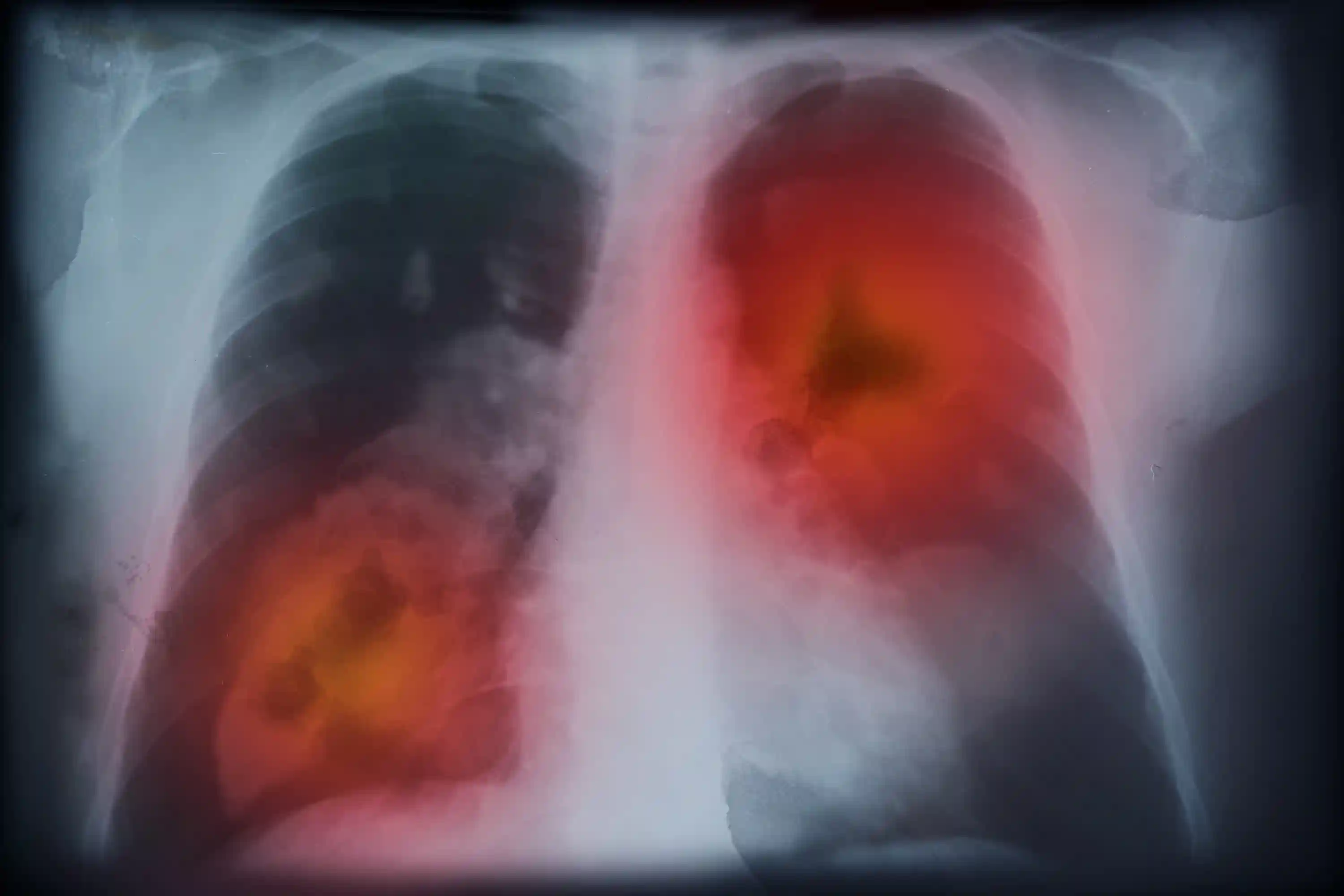
Cancer continues to be one of the greatest global health challenges of our time. Across the world, millions of people are diagnosed every year with cancers such as breast cancer, colorectal cancer, prostate cancer, skin cancer, stomach cancer, and lung cancer. Among them, lung cancer remains one of the most commonly diagnosed and deadliest cancers worldwide. According to global cancer statistics, lung cancer contributes significantly to cancer-related mortality because it is often diagnosed at an advanced stage.¹
In the field of Oncology, understanding the causes of lung cancer disease and identifying symptoms lung cancer early are critical for improving survival outcomes. For many healthcare professionals involved in Cancer Care—including oncology pharmacist teams, oncology nursing professionals, and physicians—awareness and early intervention remain key priorities.
What is Lung Cancer?
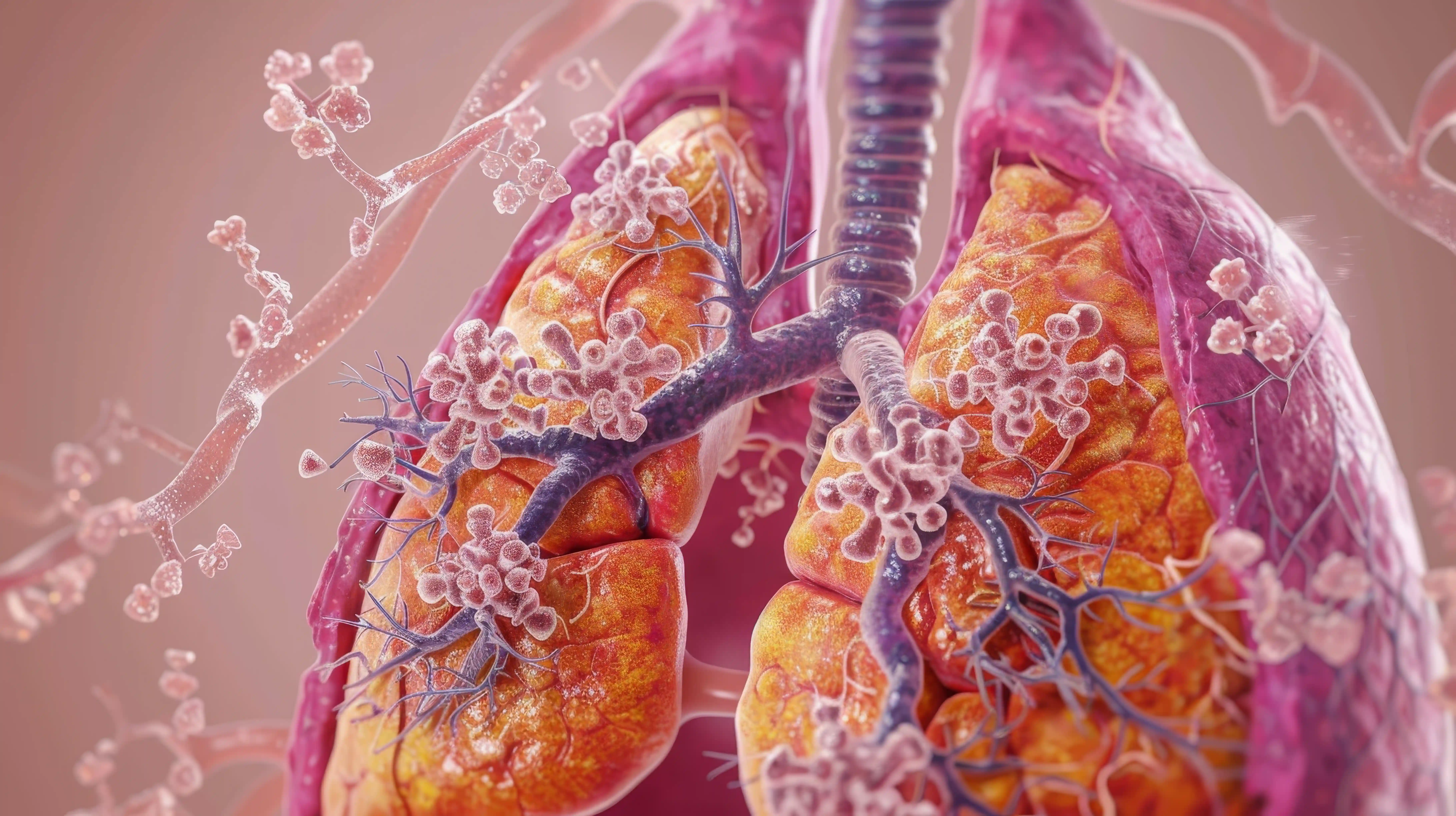
Lung cancer occurs when abnormal cells in the lungs grow uncontrollably and form tumors. It primarily affects the tissues of the lungs and may spread to other organs if left untreated. In simple terms, what is oncology? Oncology is the branch of medicine dedicated to the prevention, diagnosis, and treatment of cancer. To define oncology, it involves a multidisciplinary approach that includes surgery, radiation therapy, targeted therapy, immunotherapy, and oncology drugs designed to improve patient outcomes.
Lung cancer is divided into two major categories:
- Non-small cell lung cancer (NSCLC)
- Small cell lung cancer (SCLC)
NSCLC accounts for nearly 85% of all lung cancer cases.²
Why is Lung Cancer So Prevalent?
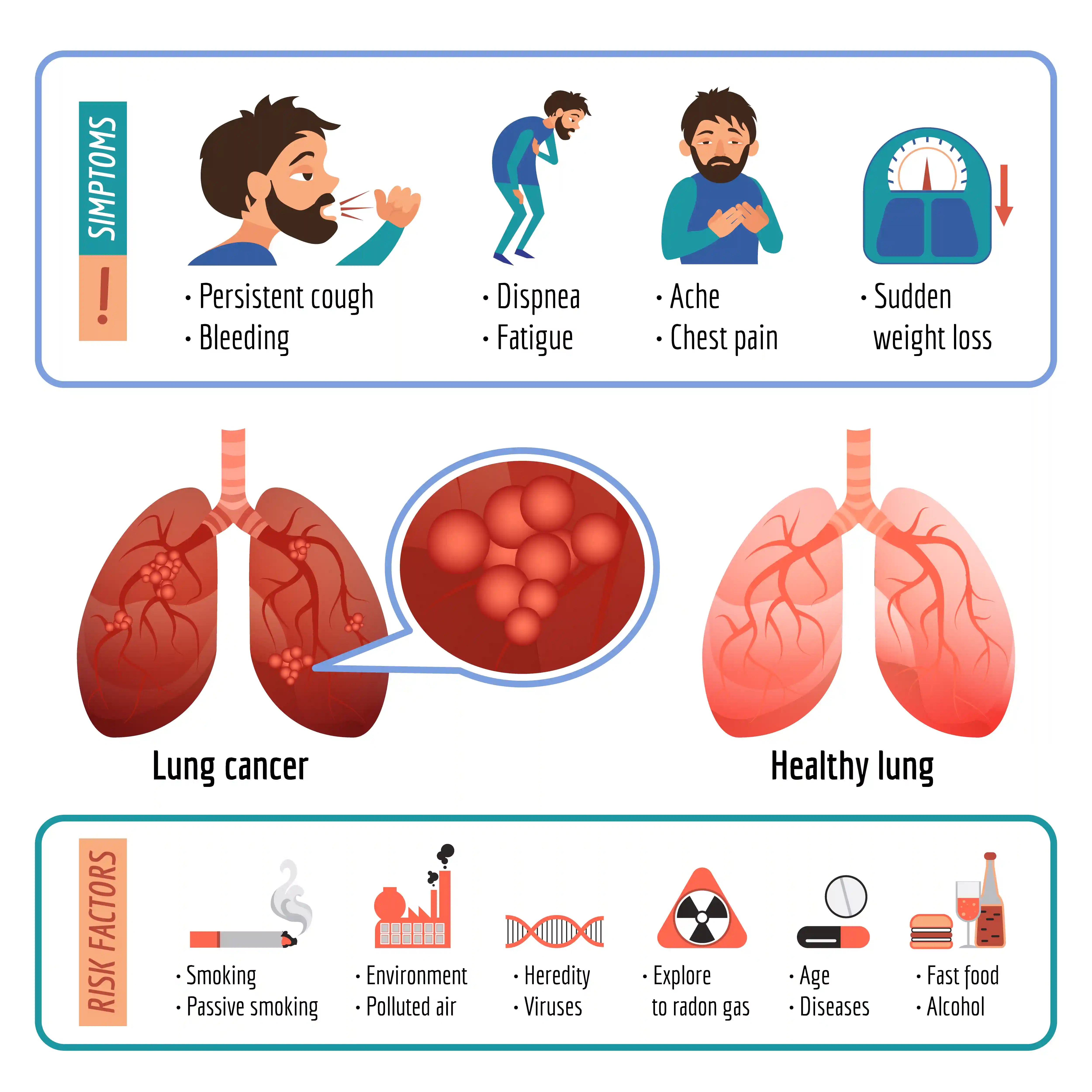
Lung cancer remains highly prevalent due to a combination of lifestyle, environmental, and occupational risk factors. The most important among them is tobacco use. Smoking continues to be the leading contributor to lung cancer incidence globally. Studies suggest that cigarette smoking is responsible for approx. 85–90% of lung cancer cases.³
Apart from tobacco, several other factors can increase the risk of lung cancer:
- Exposure to second-hand smoke
- Air pollution
- Occupational exposure to asbestos, silica, arsenic, and diesel exhaust
- Radon gas exposure
- Family history of lung cancer
- Chronic lung diseases such as COPD or pulmonary fibrosis
While smoking rates in some regions have declined, increasing urban pollution and delayed diagnosis continue to fuel the global burden of lung cancer.
Tobacco Use: A Major Driver of Lung Cancer
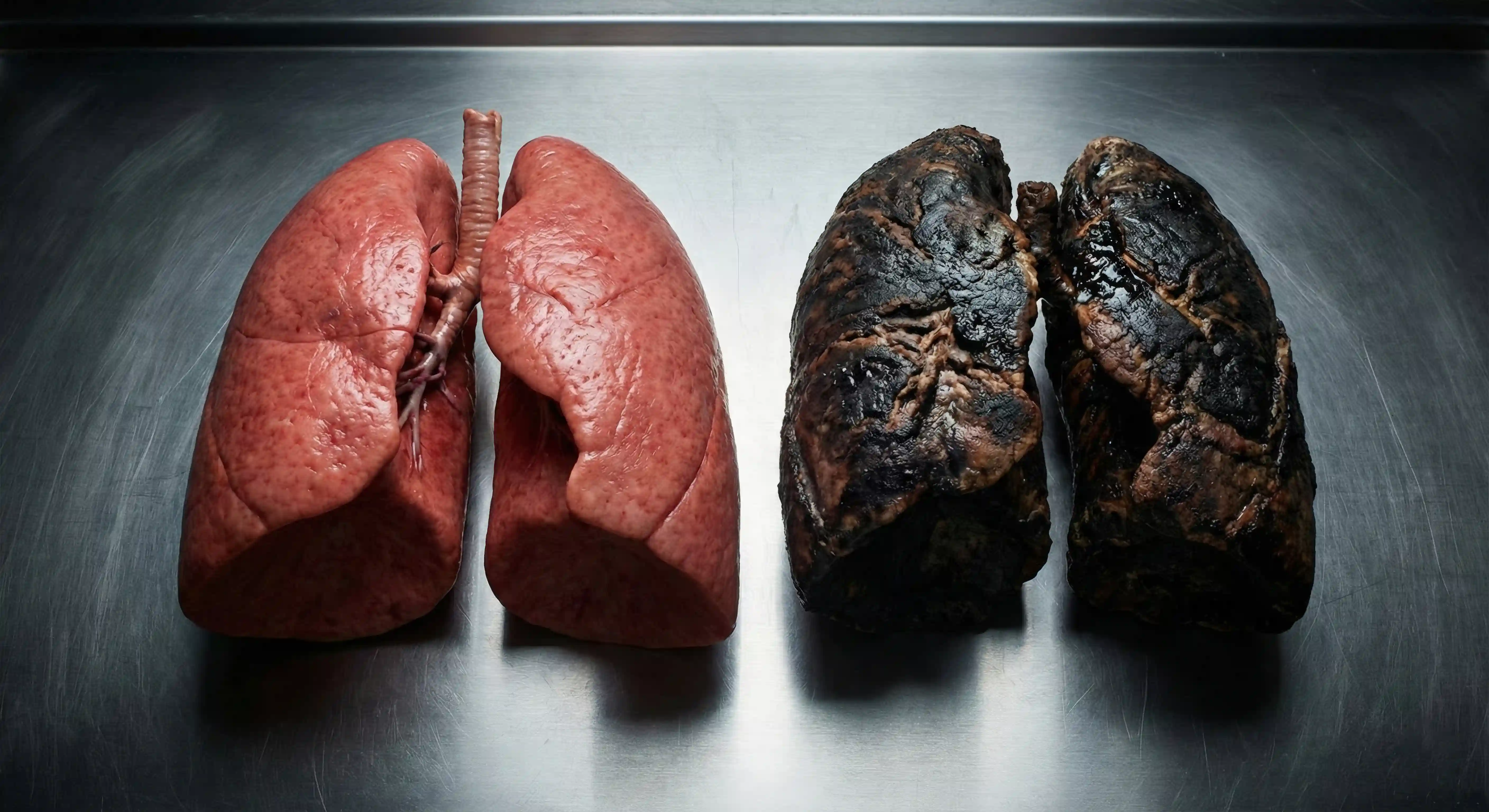
Among all causes of lung cancer disease, tobacco remains the one of the largest risk factor. Cigarette smoke contains more than 7,000 chemicals, including multiple carcinogens capable of damaging lung cells and altering DNA.³ Repeated exposure over time increases the likelihood of cancer development.
The risk rises with:
- Number of cigarettes smoked daily
- Duration of smoking
- Early initiation of tobacco use
- Exposure to passive smoking
Even smokeless tobacco products and alternative smoking devices are associated with harmful health effects. Public health experts in Oncology continue to emphasize tobacco cessation as one of the most effective strategies for reducing cancer incidence and improving long-term Cancer Care outcomes.
Symptoms for Lung Cancer
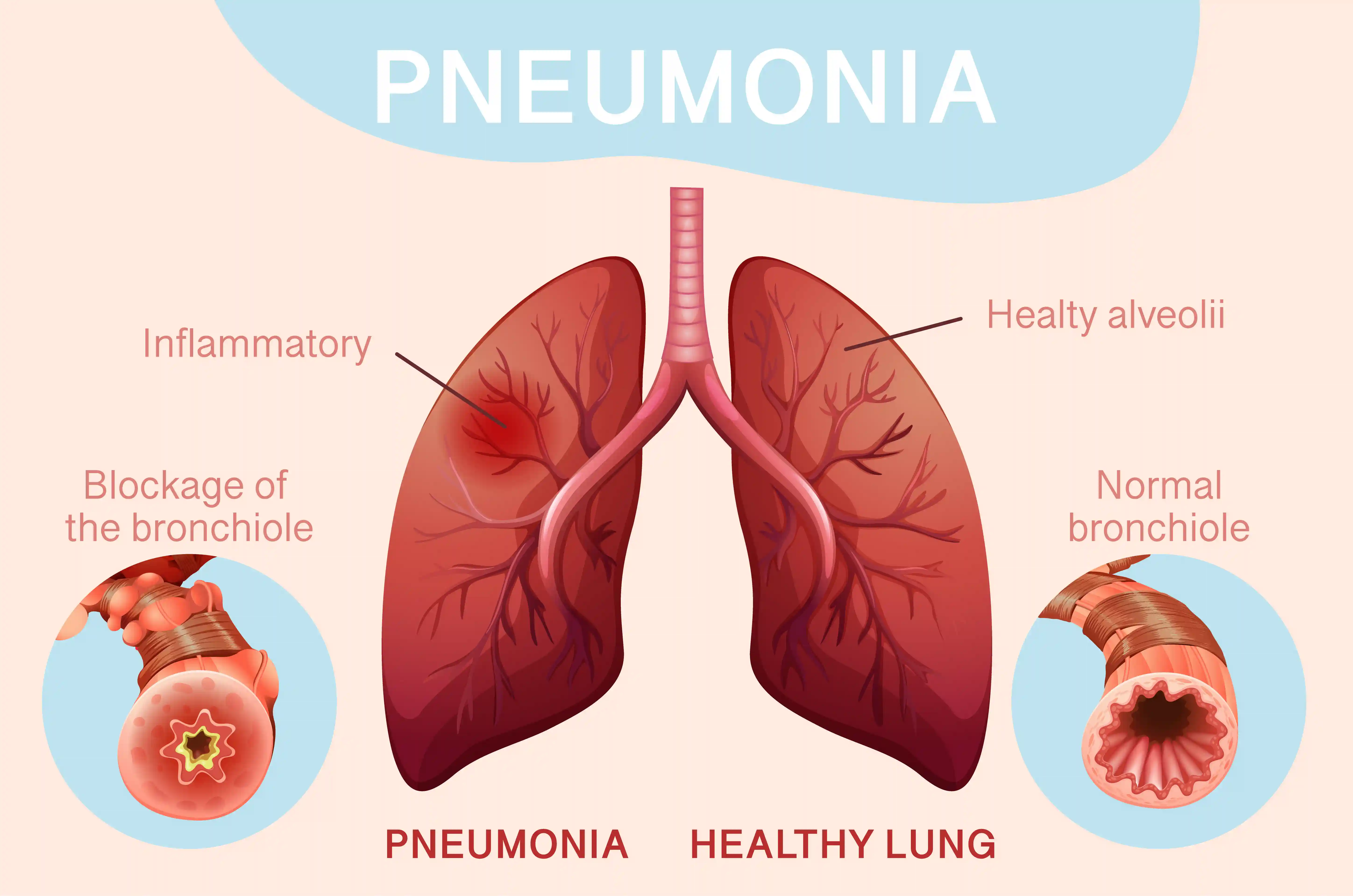
One of the major challenges with lung cancer is that early-stage disease is not always show obvious symptoms. However, recognizing symptoms lung cancer early can help improve the chances of timely diagnosis and treatment.
Common symptoms for lung cancer include:
- Persistent cough lasting more than a few weeks
- Chest pain
- Shortness of breath
- Wheezing
- Coughing up blood
- Hoarseness of voice
- Unexplained weight loss
- Fatigue and weakness
- Recurrent lung infections such as pneumonia
In some patients, symptoms may appear only after the cancer has spread. This is why individuals with long-term smoking history or high-risk exposure should seek medical evaluation for persistent respiratory symptoms.
The Role of Modern Oncology in Lung Cancer Care
Advancements in Oncology have significantly improved lung cancer treatment over the last decade. Today, precision medicine, targeted oncology drugs, and immunotherapy are transforming the way lung cancer is managed. Multidisciplinary Cancer Care teams now include medical oncologists, pulmonologists, radiologists, oncology nursing experts, oncology pharmacist specialists, and rehabilitation professionals working together to improve patient quality of life.
Additionally, pharmaceutical companies continue to invest in innovative therapies, biomarker-driven treatments, and supportive care solutions aimed at improving survival and reducing treatment-related complications.
Conclusion
Lung cancer continues to be a major global health burden, and the use of tobacco is one of the strongest contributors to increase in incidences . Awareness about symptoms for lung cancer, early screening, and tobacco cessation can play an important role in reducing disease burden and improving survival outcomes.
As the field of Oncology continues to changing every day , early diagnosis, access to advanced oncology drugs, and comprehensive Cancer Care remain essential in the fight against lung cancer.
References
- Sung H, Ferlay J, Siegel RL, et al. Global Cancer Statistics 2020: GLOBOCAN estimates of incidence and mortality worldwide for 36 cancers in 185 countries. CA Cancer J Clin. 2021;71(3):209-249.
- Herbst RS, Morgensztern D, Boshoff C. The biology and management of non-small cell lung cancer. Nature. 2018;553(7689):446-454.
- Islami F, Torre LA, Jemal A. Global trends of lung cancer mortality and smoking prevalence. Transl Lung Cancer Res. 2015;4(4):327-338.
- Bade BC, Dela Cruz CS. Lung cancer 2020: epidemiology, etiology, and prevention. Clin Chest Med. 2020;41(1):1-24.
- National Cancer Institute. Smoking and Cancer. Bethesda, MD: National Institutes of Health.
- World Health Organization. Cancer Fact Sheets: Lung Cancer. Geneva: WHO.