

Table of Contents
Oral Mucositis in Cancer Patients: Why Prevention and Early Supportive Care Matter

For many cancer patients, one of the most challenging parts of treatment is not the cancer itself, but the painful complications that can affect eating, speaking, and overall quality of life. Among these, oral mucositis remains one of the most common and distressing side effects of chemotherapy and radiotherapy.
Cancer treatment has become increasingly effective over the years, helping many patients achieve better outcomes and longer survival. However, treatment-related complications continue to affect patient comfort, nutrition, and treatment adherence. Oral mucositis in cancer patients remains a significant supportive care challenge, particularly among those receiving intensive chemotherapy, radiotherapy, or combined treatment approaches.
What Is Oral Mucositis?
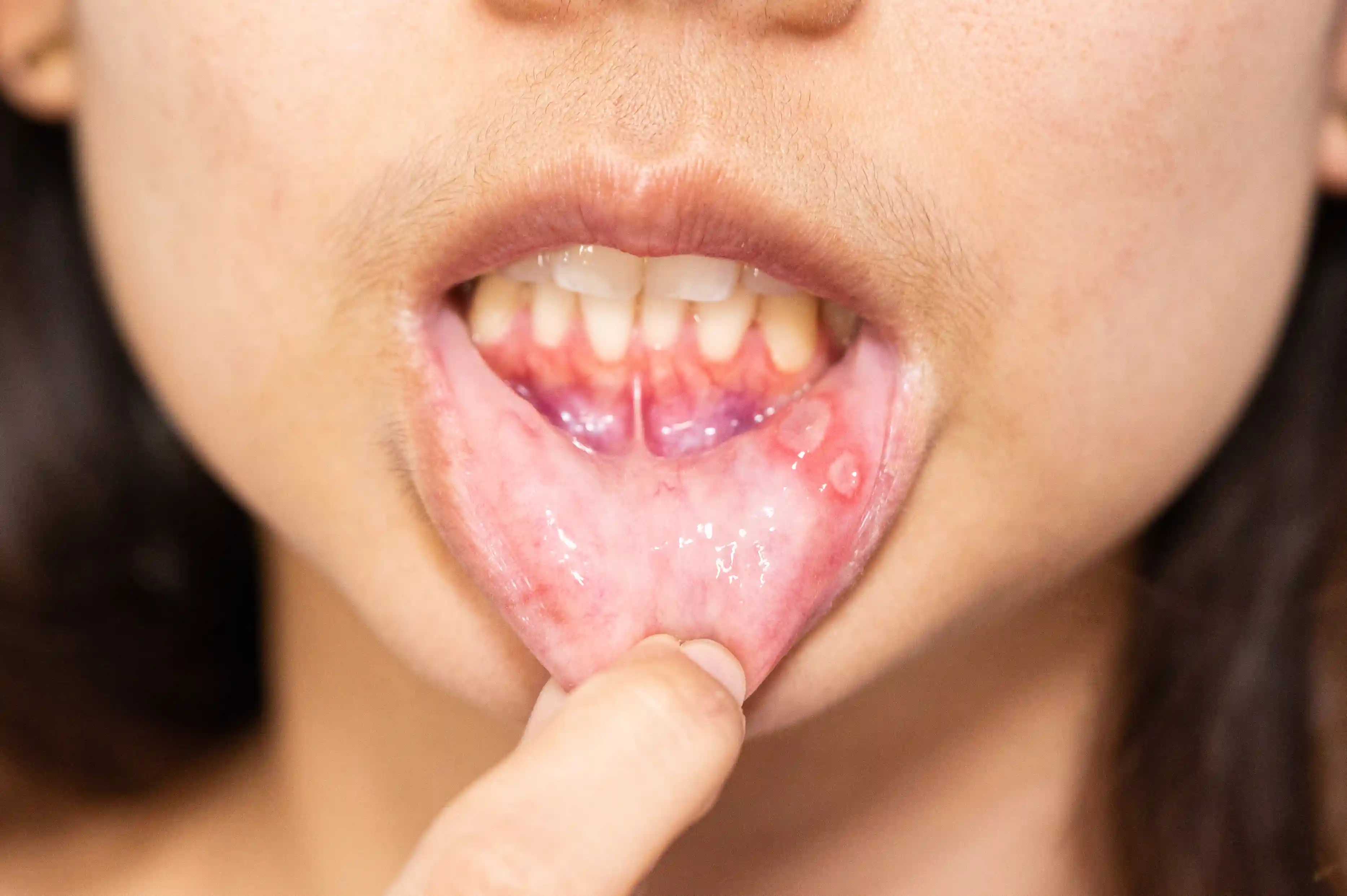
Oral mucositis is an inflammatory condition characterized by damage to the lining of the mouth following cancer treatment. It typically begins with redness and irritation of the oral mucosa and may progress to painful ulcerations.
Oral mucositis can occur in patients receiving:
- Chemotherapy
- Radiotherapy to the head and neck region
- Concurrent chemoradiotherapy
- Hematopoietic stem cell transplantation
Oral mucositis affects approximately 20–40% of patients receiving conventional chemotherapy and up to 80–90% of patients undergoing radiotherapy for head and neck cancers. In patients receiving combined chemoradiotherapy, the incidence of severe oral mucositis may be even higher, making it one of the most frequent cancer treatment side effects encountered in clinical practice.
Common Symptoms of Oral Mucositis
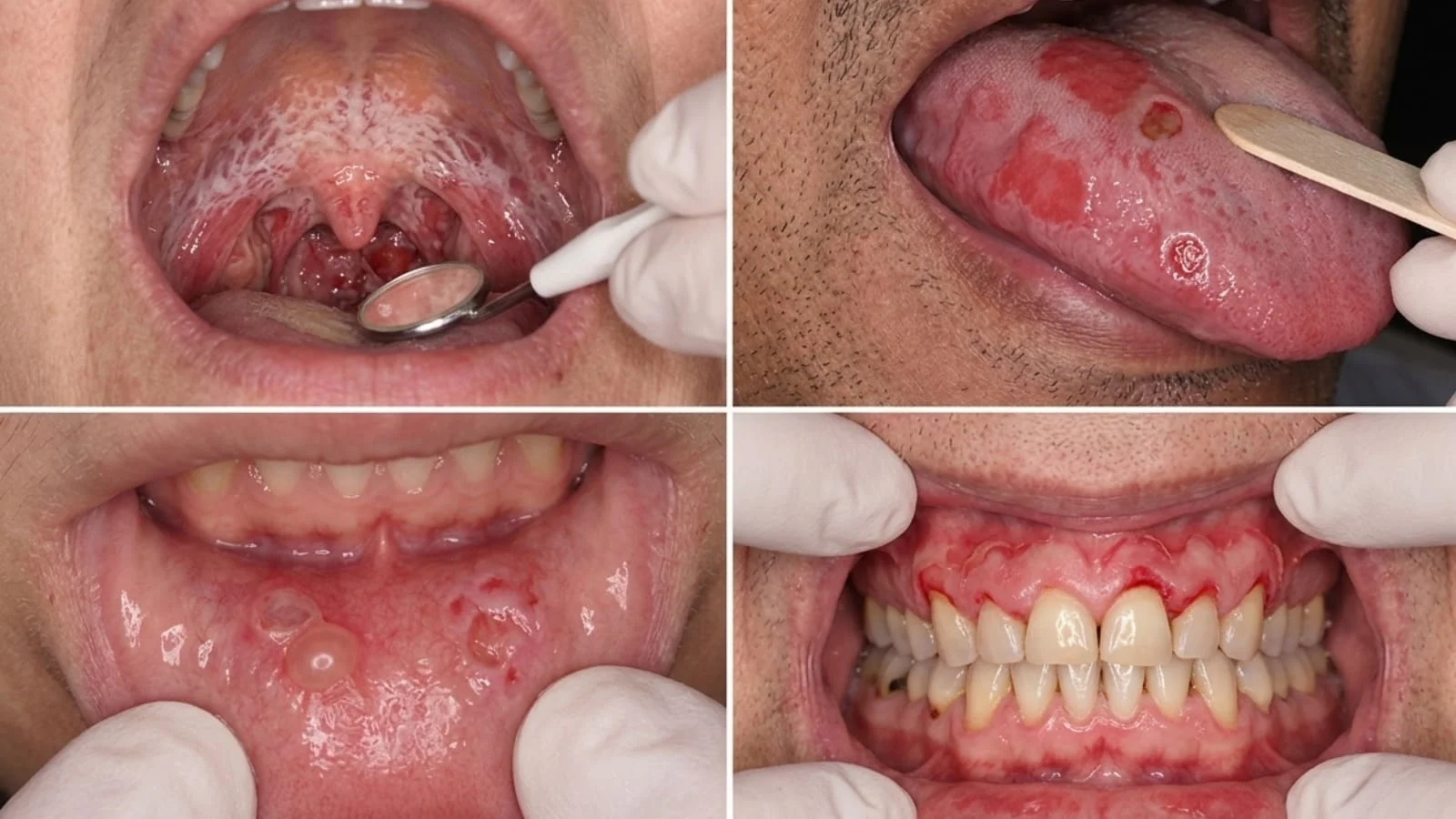
Patients experiencing oral mucositis may develop:
- Pain or burning sensation in the mouth
- Redness and inflammation of the oral tissues
- Mouth ulcers and open sores
- Difficulty chewing and swallowing
- Reduced appetite and nutritional intake
- Dry mouth and altered taste sensation
- Difficulty speaking
These symptoms can significantly impact daily activities, nutritional status, and overall well-being during cancer treatment.
Why Oral Mucositis Matters Beyond Mouth Sores
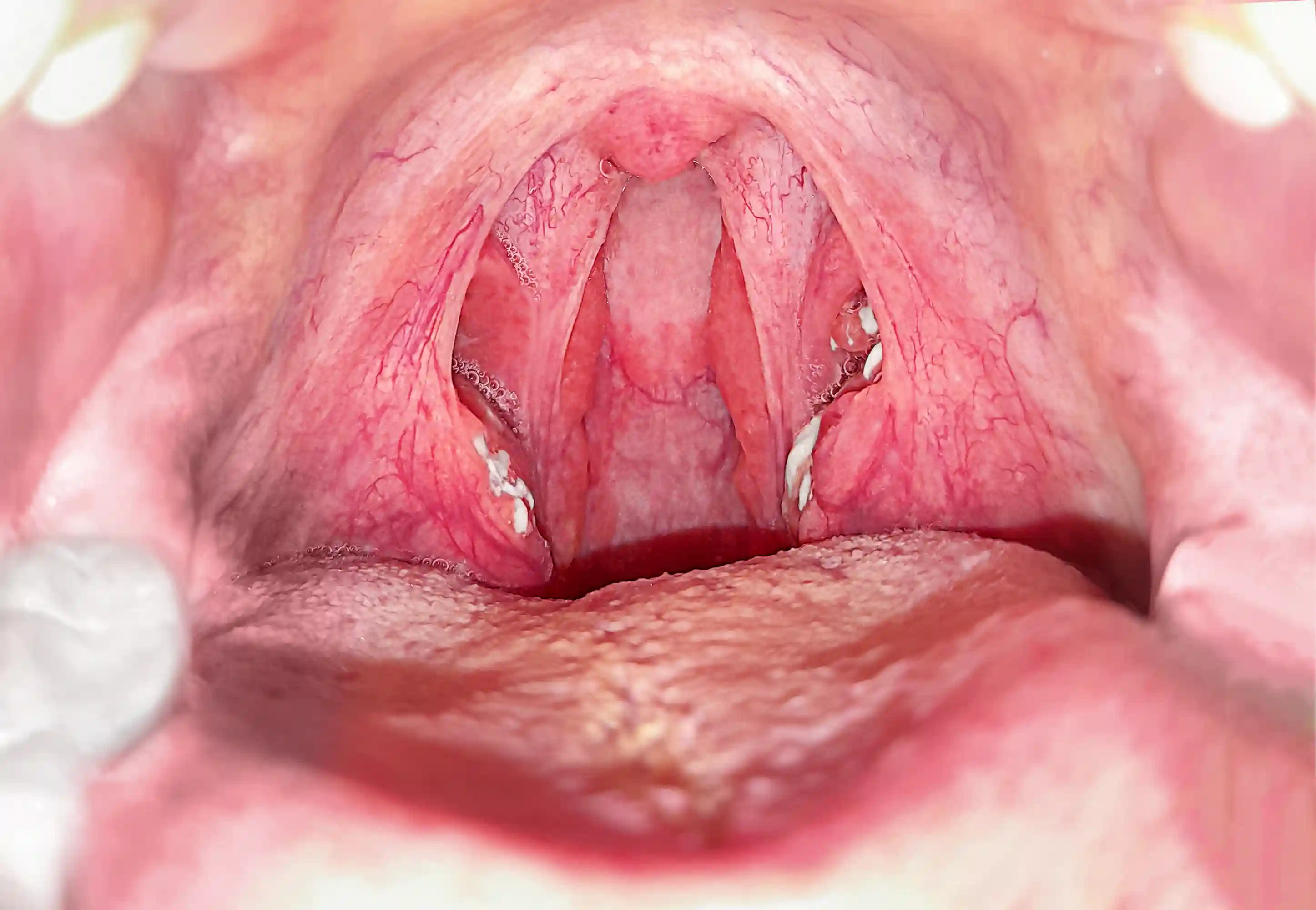
Although oral mucositis begins within the oral cavity, its consequences often extend far beyond local discomfort.
Severe oral mucositis may contribute to:
- Reduced food and fluid intake
- Weight loss and malnutrition
- Increased need for analgesics and supportive care
- Hospital admissions related to treatment complications
- Treatment interruptions or delays
- Chemotherapy dose reductions
- Reduced tolerance to planned cancer therapy
In severe cases, oral mucositis may compromise adherence to planned treatment schedules, highlighting the importance of preventive supportive care strategies.
For patients undergoing curative treatment, maintaining treatment intensity and schedule is often critical. Consequently, oral mucositis prevention and effective management of oral mucositis have become important goals of modern supportive oncology care.
Understanding the Biology of Oral Mucositis
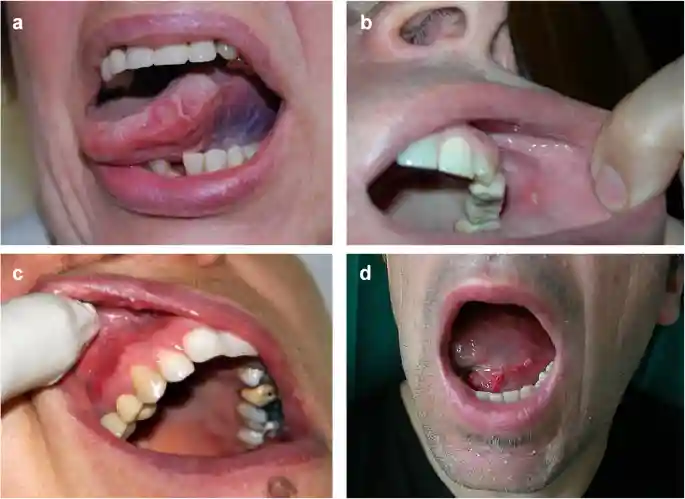
Current research has shown that oral mucositis is not simply the result of direct injury to the oral lining.
Cancer therapies trigger a complex biological process involving:
- DNA and cellular damage
- Activation of inflammatory pathways
- Release of pro-inflammatory cytokines
- Breakdown of the mucosal barrier
- Changes in the oral microbial environment
- Delayed tissue repair and healing
These interconnected mechanisms contribute to the development and progression of oral ulcerations.
This improved understanding has shifted attention toward preventive strategies that target the underlying biological processes involved in mucositis development.
The Growing Role of Prevention in Oral Mucositis Management
Historically, management of oral mucositis focused primarily on supportive measures after symptoms appeared. These approaches continue to play an important role and include:
- Good oral hygiene practices
- Saline and bicarbonate mouth rinses
- Pain management
- Nutritional support
- Hydration maintenance
However, many experts now advocate earlier interventions aimed at reducing the severity of mucosal injury before extensive ulceration occurs.
The goal of preventive supportive care is to:
- Improve patient comfort
- Maintain nutritional status
- Reduce treatment-related complications
- Support treatment continuity
- Enhance overall quality of life
Oral Microbiome and Mucosal Health
The oral cavity contains a complex ecosystem of microorganisms collectively known as the oral microbiome. These microbial communities contribute to mucosal health, immune regulation, and maintenance of the oral barrier.
Cancer treatment can disrupt this delicate balance, leading to increased inflammation and impaired mucosal recovery. Emerging evidence suggests that dysbiosis of the oral microbiome may amplify inflammatory signalling and contribute to the severity of radiation-induced oral mucositis and chemotherapy-induced oral mucositis.
As a result, microbiome-focused approaches have become an area of growing interest in supportive cancer care.
Emerging Evidence for Probiotic-Based Approaches
As understanding of the oral microbiome grows, researchers are exploring whether targeted probiotic interventions can help maintain mucosal integrity during therapy and reduce the burden of oral mucositis in cancer patients.
Among microbiome-targeted interventions, specific probiotic strains have been investigated for their potential role in oral mucositis prevention.
One of the most extensively studied strains is Levilactobacillus brevis CD2. Research has suggested that this strain may help support oral mucosal health through modulation of inflammatory pathways, reduction of pro-inflammatory mediators, and maintenance of local microbial balance.
Clinical studies evaluating Levilactobacillus brevis CD2 in patients receiving radiotherapy, chemoradiotherapy, and hematopoietic stem cell transplantation have demonstrated reductions in the incidence and severity of oral mucositis compared with standard supportive care. These findings have contributed to growing scientific interest in probiotic-based supportive care strategies aimed at reducing treatment-related oral complications and improving patient experience during cancer therapy.
While additional research continues to expand the evidence base, microbiome-focused interventions represent an exciting development in the evolving field of supportive oncology.
Looking Ahead
Oral mucositis remains a significant challenge for patients undergoing chemotherapy and radiotherapy. Beyond causing painful mouth sores, it can affect nutrition, quality of life, and the ability to maintain planned cancer treatment.
As scientific understanding of mucositis continues to evolve, the focus is increasingly shifting from symptom management alone toward prevention and early supportive care. Advances in our understanding of the oral microbiome and mucosal biology are opening new opportunities to reduce treatment burden and improve patient outcomes.
As supportive oncology continues to evolve, prevention-focused strategies and microbiome-based approaches are becoming increasingly important in the management of oral mucositis in cancer patients. Continued research into oral mucosal biology and the oral microbiome may help identify new opportunities to reduce treatment-related complications and improve the overall patient experience during cancer therapy.
The future of supportive oncology lies not only in treating cancer effectively but also in preventing and managing treatment-related complications such as oral mucositis, helping patients maintain quality of life and remain on planned cancer therapy.
References
- Sonis ST. The Pathobiology of Mucositis. Nature Reviews Cancer. 2004.
- Lalla RV, Bowen J, Barasch A, et al. MASCC/ISOO Clinical Practice Guidelines for Mucositis Secondary to Cancer Therapy.
- Elad S, Cheng KKF, Lalla RV, et al. MASCC/ISOO Clinical Practice Guidelines Update for the Management of Mucositis.
- Sharma A, Rath GK, Chaudhary SP, et al. Lactobacillus brevis CD2 Lozenges Reduce Chemoradiotherapy-Induced Oral Mucositis in Patients with Head and Neck Cancer. European Journal of Cancer. 2012.
- Sharma A, et al. Effect of Lactobacillus brevis CD2 Lozenges in Preventing Oral Mucositis in Patients Undergoing High-Dose Chemotherapy Followed by Hematopoietic Stem Cell Transplantation. Indian Journal of Medical Research. 2017.