

Table of Contents
Managing Radiation Skin Reactions: The Growing Role of Hyaluronic Acid
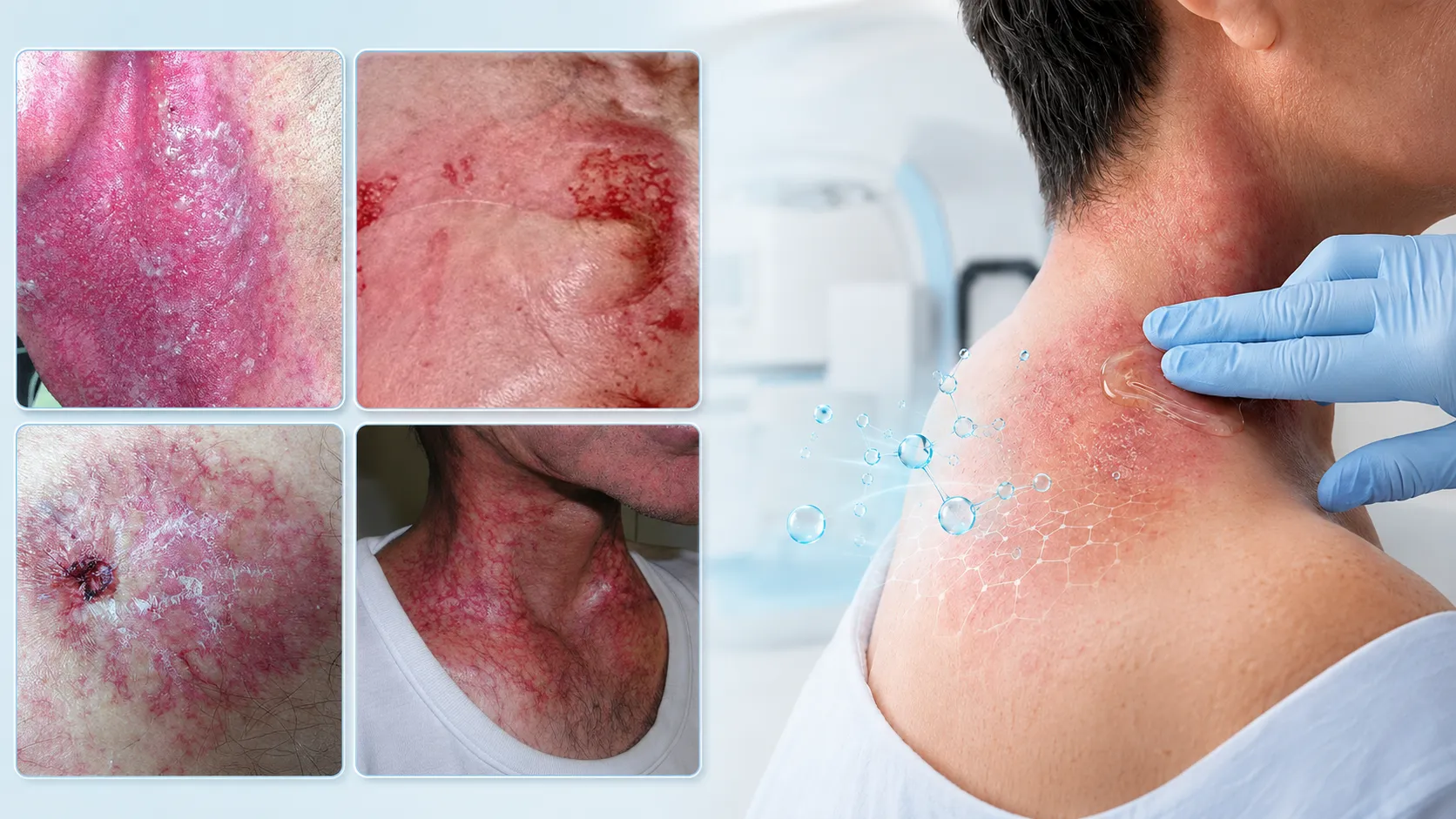
For many patients undergoing radiotherapy, skin reactions are often accepted as part of treatment. Redness, dryness, itching, and sensitivity may not be life-threatening, but they can still affect comfort, confidence, and quality of life during an already challenging time.
As supportive oncology continues to evolve, there is growing interest in ways to maintain skin integrity throughout treatment. One ingredient attracting renewed attention is hyaluronic acid. Best known for its role in skincare, it is now being explored in the context of radiation skin care as well.
Recent clinical evidence has added to this discussion and prompted a closer look at where familiar ingredients may fit into supportive care during radiotherapy.
Radiation Skin Reactions: More Common Than Many Realise
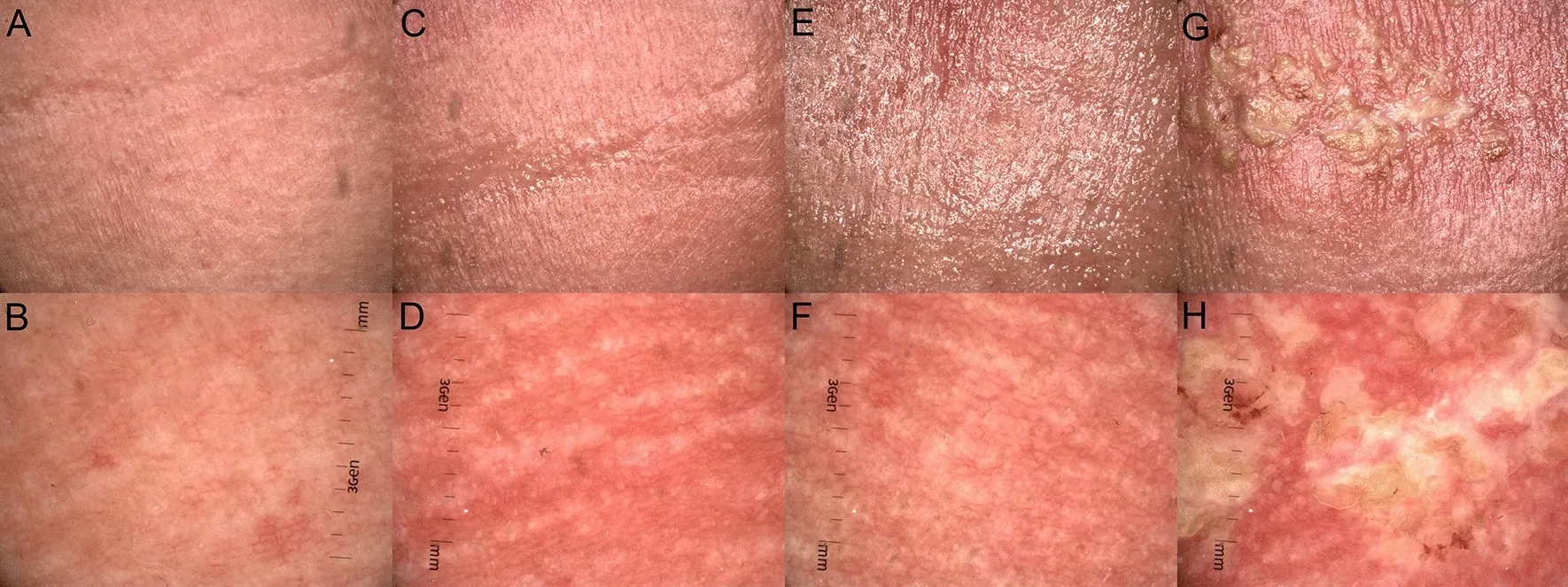
Radiotherapy plays an essential role in the treatment of several cancers, including breast, head and neck, and pelvic malignancies. However, normal skin within the treatment field can also respond to radiation exposure.
These changes, often referred to as radiation skin reactions or radiation dermatitis, can range from mild irritation to more pronounced discomfort. Patients may experience:
- Redness (erythema)
- Dryness and flaking
- Itching or irritation
- Increased skin sensitivity
- Changes in skin pigmentation
- Peeling of the skin in some cases
Most reactions are manageable. Even so, they can influence daily routines, clothing choices, sleep quality, and emotional wellbeing during treatment.
Many topical approaches have been explored to support skin health during radiotherapy. Despite ongoing research, there is still no universally accepted standard approach for preventing radiation dermatitis. This has encouraged researchers to revisit ingredients with a sound biological rationale.
Understanding Hyaluronic Acid Beyond Hydration
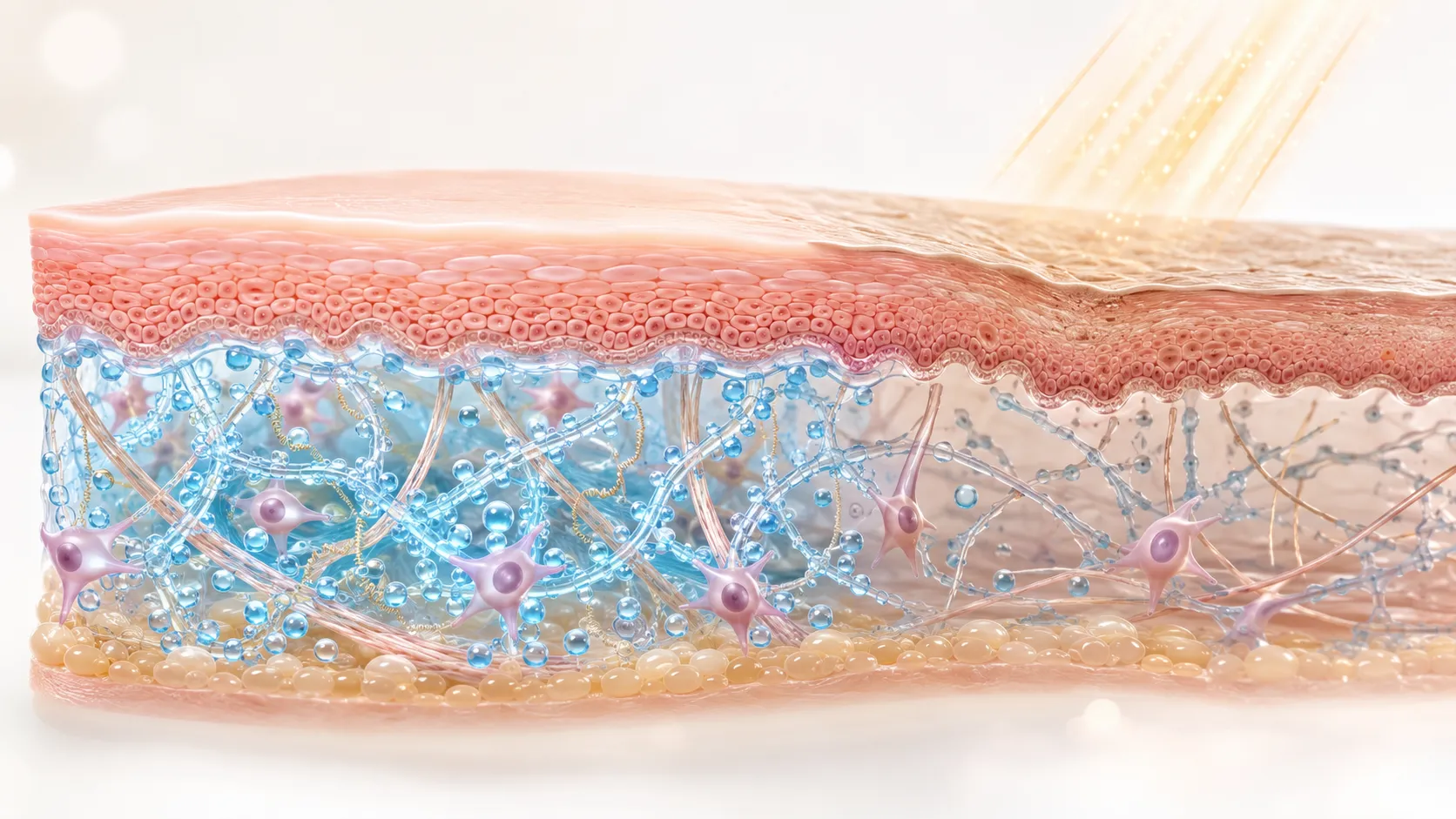
Hyaluronic acid is a naturally occurring substance found throughout the body, particularly within connective tissues and the skin. Nearly half of the body’s hyaluronic acid is present in the skin, where it helps maintain hydration and contributes to the extracellular matrix.
Its moisture-retaining ability has made it one of the most recognisable ingredients in skincare. However, its relevance extends beyond hydration alone.
Studies suggest that hyaluronic acid may be involved in:
- Maintaining skin hydration
- Supporting the extracellular matrix
- Cellular communication
- Tissue organisation during repair
These properties have led researchers to investigate whether it may have a role when the skin barrier is under stress, including during radiotherapy.
Hyaluronic Acid and Radiation Dermatitis: What Does the Evidence Say?
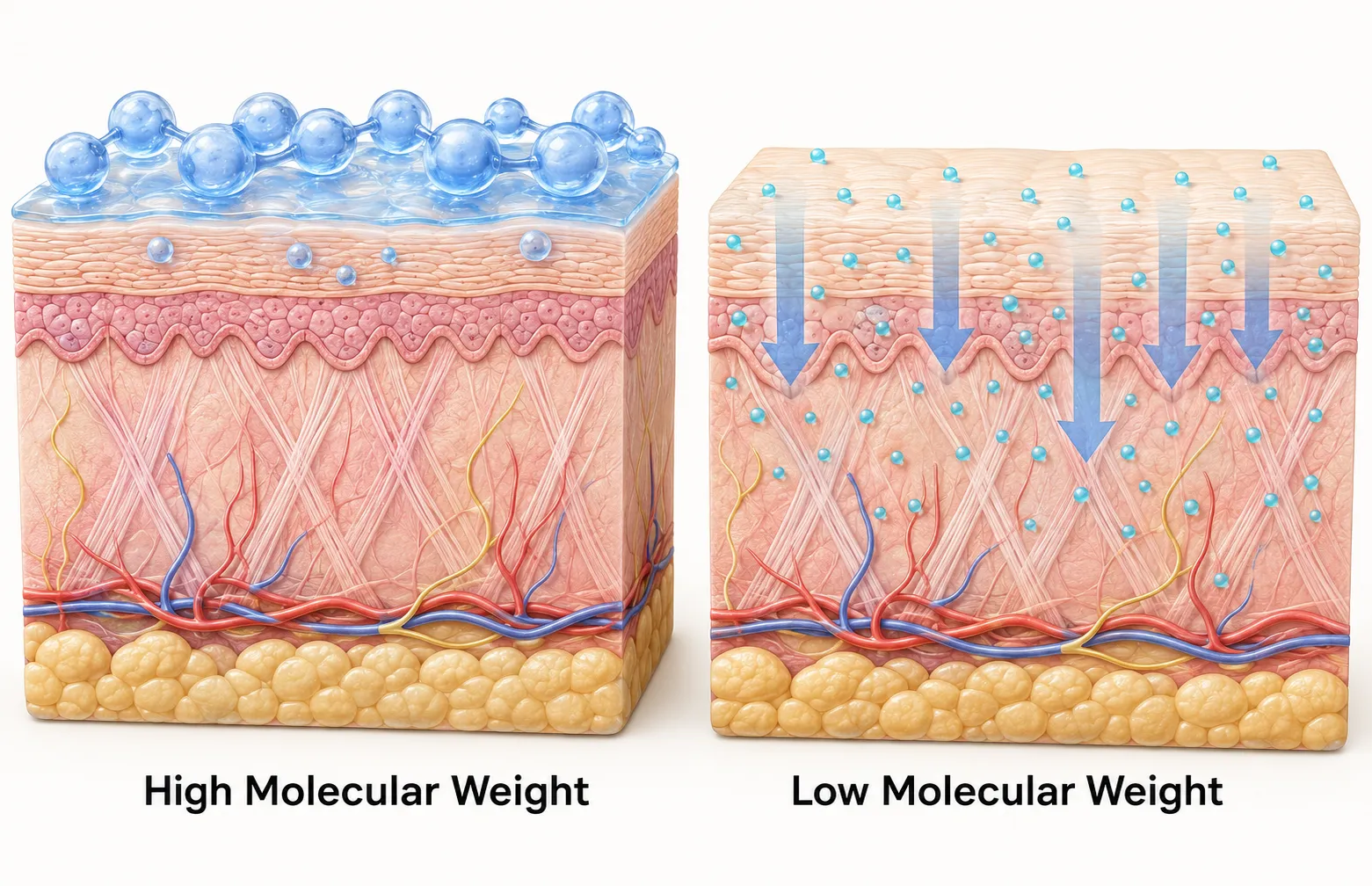
Interest in hyaluronic acid and radiation skin reactions is not entirely new. A number of publications have discussed its potential role in managing radiation dermatitis based on its well-recognised effects on hydration and tissue repair.
More recently, the publication of a randomised, placebo-controlled study has added to the evidence available in this area.
In 2025, Deantonio and colleagues conducted a randomised, double-blind, placebo-controlled study involving women receiving postoperative radiotherapy for breast cancer. The investigators evaluated the prophylactic use of a 0.2% hyaluronic acid cream and observed that fewer patients using the cream developed moderate radiation skin reactions compared with those receiving placebo (21.1% versus 35.3%).
The study closed earlier than originally planned because acute skin toxicity rates were lower than anticipated across the study population. Although the study could not reach its planned sample size, the results have contributed to ongoing interest in the potential role of hyaluronic acid in supportive skin care during radiotherapy.
Key Study Findings
In a 2025 randomised, double-blind, placebo-controlled study, Grade 2 radiation dermatitis occurred in 21.1% of patients receiving 0.2% hyaluronic acid cream compared with 35.3% of patients receiving placebo.
These findings reflect a broader shift in oncology. Alongside effective cancer treatment, greater attention is being paid to supportive care measures that help maintain patient comfort and quality of life.
Why Supportive Care Matters
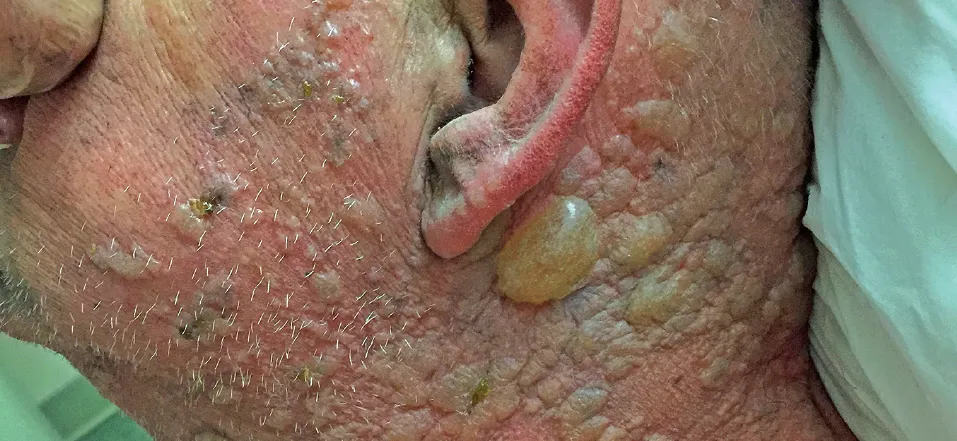
Cancer care today extends beyond treating the disease itself. It also involves helping patients navigate treatment with as much comfort as possible.
Skin reactions associated with radiotherapy may not always receive the same attention as other treatment-related side effects. Yet their impact on the treatment experience should not be underestimated. Supporting skin health during treatment can contribute meaningfully to overall wellbeing and quality of life.
Supportive oncology extends beyond cancer treatment itself. Preserving patient comfort, dignity, and quality of life remains an important component of comprehensive cancer care.
Why Supportive Care Matters
Cancer care today extends beyond treating the disease itself. It also involves helping patients navigate treatment with as much comfort as possible.
Skin reactions associated with radiotherapy may not always receive the same attention as other treatment-related side effects. Yet their impact on the treatment experience should not be underestimated. Supporting skin health during treatment can contribute meaningfully to overall wellbeing and quality of life.
Supportive oncology extends beyond cancer treatment itself. Preserving patient comfort, dignity, and quality of life remains an important component of comprehensive cancer care.
Frequently Asked Questions
What is radiation dermatitis?
Radiation dermatitis is a skin reaction that can occur during radiotherapy. Common symptoms include redness, dryness, itching, sensitivity, and sometimes peeling of the skin within the treatment field.
Can hyaluronic acid help during radiotherapy?
Some studies have explored the role of hyaluronic acid during radiotherapy, with encouraging findings. Recent clinical evidence suggests it may support skin hydration and may be associated with a lower incidence of moderate radiation dermatitis. However, more research is needed before firm conclusions can be drawn.
Is hyaluronic acid safe for cancer patients?
Hyaluronic acid is widely used in dermatologic products and has also been studied in supportive care settings during radiotherapy. Patients should always follow the advice of their oncology team regarding the use of topical products during treatment.
When should skin care begin during radiotherapy?
Patients should follow the recommendations of their oncology team. Discussing skin care before starting treatment may help establish appropriate supportive care practices throughout the radiotherapy journey.
Can radiation skin reactions be prevented completely?
No single approach has been shown to prevent radiation skin reactions completely. Skin care recommendations vary between treatment centres, and patients should follow the advice of their oncology team regarding preventive and supportive skin care measures during treatment.
Closing Thoughts
Radiation skin reactions are often viewed as an expected consequence of treatment. For the people experiencing them, however, they can affect day-to-day comfort in meaningful ways.
Hyaluronic acid may be best known for its place in cosmetic skincare, but emerging evidence suggests it could have relevance beyond its traditional applications.
As research in this area continues to evolve, greater attention is being paid to supportive care measures that help patients remain comfortable during treatment. Hyaluronic acid is one example of how familiar ingredients may continue to find new relevance within cancer care.
Supporting skin health during radiotherapy is not simply about appearance. It is an important part of helping patients maintain comfort, confidence, and quality of life throughout their treatment journey.
References
- Deantonio L, Borgonovo G, Caverzasio S, et al. Hyaluronic acid 0.2% cream for preventing radiation dermatitis in breast cancer patients treated with postoperative radiotherapy: A randomized, double-blind, placebo-controlled study. Radiotherapy and Oncology. 2025.
- Iacovelli NA, Torrente Y, Ciuffreda A, et al. The role of hyaluronic acid in the treatment of acute radiation-induced side effects in patients affected by head and neck cancers and breast cancer: A literature review. Supportive Care in Cancer. 2017.
- Litwiniuk M, Krejner A, Speyrer MS, et al. Hyaluronic acid in inflammation and tissue regeneration. Wounds. 2016.
- Fallacara A, Baldini E, Manfredini S, et al. Hyaluronic acid in the third millennium. Polymers. 2018.