

Table of Contents
Medical Probiotics: Benefits, Role in Gut Health, and Emerging Potential in Cancer Care
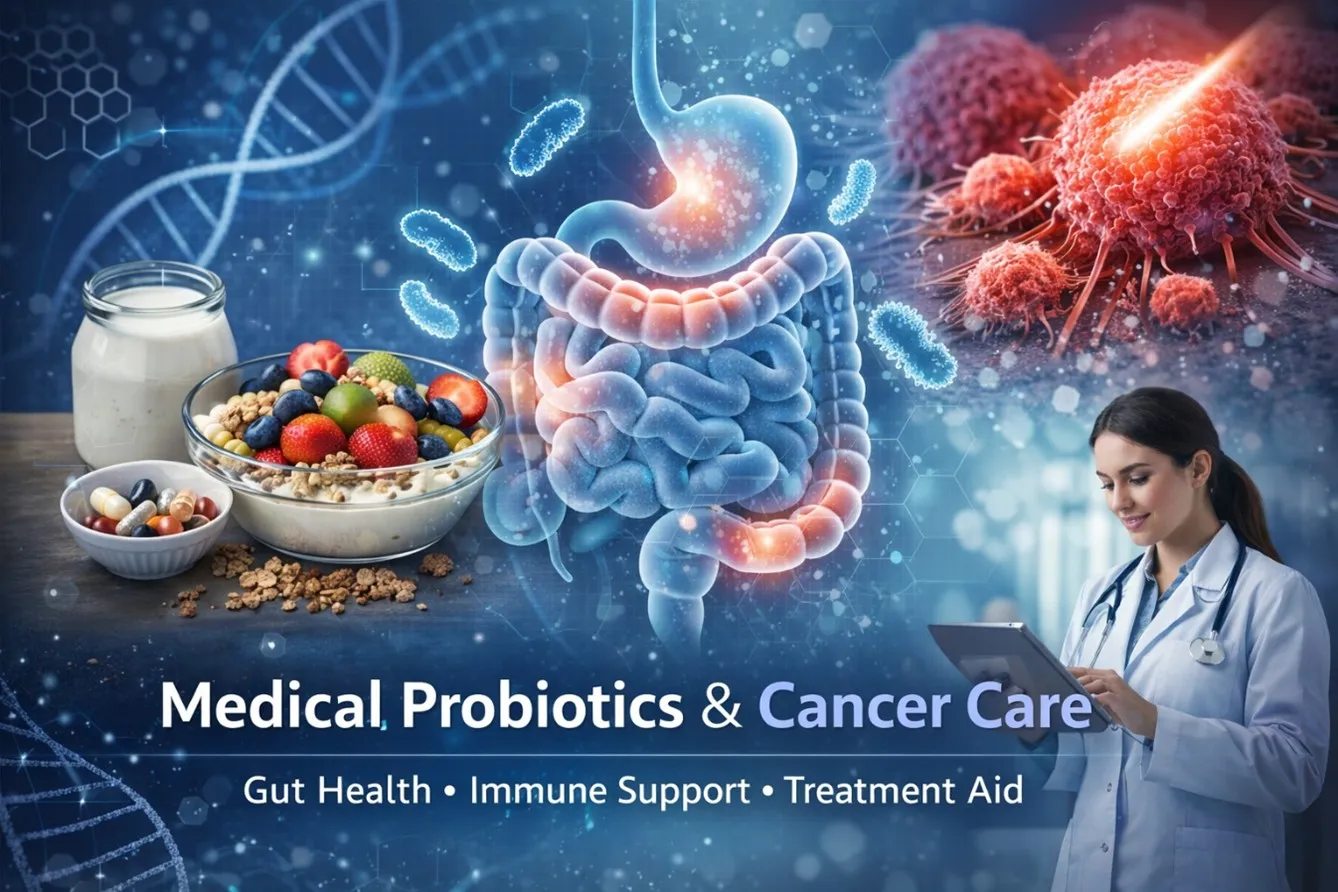
What Are Medical Probiotics?
Probiotics are live microorganisms that provide health benefits when consumed in adequate amounts. Commonly found in yogurt, fermented foods, dietary supplements, and certain healthcare formulations, these beneficial microbes support overall health and well-being.
While microorganisms are often associated with harmful “germs,” many bacteria play essential roles in the human body. They aid digestion, produce vital nutrients, and help protect against disease-causing pathogens. The microorganisms in probiotic products are like those naturally present in the human body, particularly in the gut.
Key Functional Properties of Whey Protein
Probiotics contribute to multiple physiological functions and may offer the following benefits:
- Maintaining Gut Microbiota Balance: Probiotics help maintain a healthy balance of microorganisms in the gut and restore this balance when it is disrupted due to factors like illness, antibiotics, or poor diet.
- Supporting Digestive Health: They assist in breaking down food, improving nutrient absorption, and reducing common digestive issues such as bloating and diarrhoea.
- Enhancing Immune Function: Probiotics influence the body’s immune response by interacting with immune cells and promoting a balanced inflammatory response.
- Producing Beneficial Compounds: Certain probiotic strains produce substances that support gut health and protect against harmful bacteria.
Probiotics and Immune Modulation
Probiotic bacteria play a significant role in regulating the immune system. They can both increase and decrease the production of anti-inflammatory cytokines, which are critical in preventing chronic inflammation and disease development.
Additionally, probiotics may activate immune cells such as phagocytes, helping the body identify and eliminate abnormal or early-stage cancer cells. Emerging research also suggests that specific probiotic formulations, including heat-killed strains, may enhance the immune system’s ability to recognize cancer cells when used alongside conventional therapies.
The Gut Microbiota and Its Importance
The human gut microbiota is a complex ecosystem that evolves throughout life, influenced by diet, aging, lifestyle, and environmental factors. A well-balanced microbiota supports:
- Efficient digestion and metabolism
- Immune system regulation
- Protection against harmful microorganisms
Maintaining this delicate balance is essential for overall health.
Impact of Cancer on Gut Microbiota
Cancer and its treatments can significantly disrupt the gut microbiota, leading to a condition known as dysbiosis. This imbalance can occur during both cancer development and treatment, including chemotherapy, radiation therapy, and immunotherapy.
Dysbiosis is often associated with several complications, such as:
- Gastrointestinal toxicity
- Mucositis
- Diarrhoea
- Increased susceptibility to infections
Role of Probiotics in Cancer Care
Recent studies highlight the potential of probiotics as supportive care in oncology. Their benefits include:
- Managing Treatment-Related Side Effects: Probiotics may help reduce gastrointestinal side effects caused by cancer therapies, improving patient comfort.
- Restoring Gut Microbial Balance: They assist in correcting dysbiosis, thereby supporting overall gut health during treatment.
- Improving Treatment Compliance: By alleviating side effects, probiotics can enhance patients’ ability to adhere to prescribed cancer treatments.
- Enhancing Quality of Life: Patients receiving probiotics often report better overall well-being during therapy.
Emerging Research and Future Potential
There is growing interest in using probiotics as part of combination therapy in cancer treatment. Researchers are also exploring innovative approaches, such as using probiotic bacteria as delivery systems for targeted drug therapy.
Evidence from cohort studies suggests a potential link between probiotic-rich diets (such as dairy products) and a reduced risk of colorectal cancer. While these findings are promising, further research is needed to establish definitive clinical applications.
Safety Considerations
Although probiotics offer significant benefits, caution is necessary, especially in cancer patients who may be immunocompromised. It is essential to:
- Evaluate individual patient conditions
- Use clinically validated probiotic strains
- Consult healthcare professionals before administration
Careful selection and monitoring can help minimize potential risks while maximizing therapeutic benefits.
Conclusion
Medical probiotics represent a promising approach to improving gut health and supporting patients undergoing cancer treatment. By restoring microbial balance, enhancing immune response, and reducing treatment-related side effects, probiotics can play a valuable role in modern healthcare.
As research continues to evolve, probiotics are expected to become an integral component of preventive and supportive strategies in oncology and overall health management.