

Table of Contents
The Future of Oncology: New Treatments are Changing Head and Neck Cancer Care
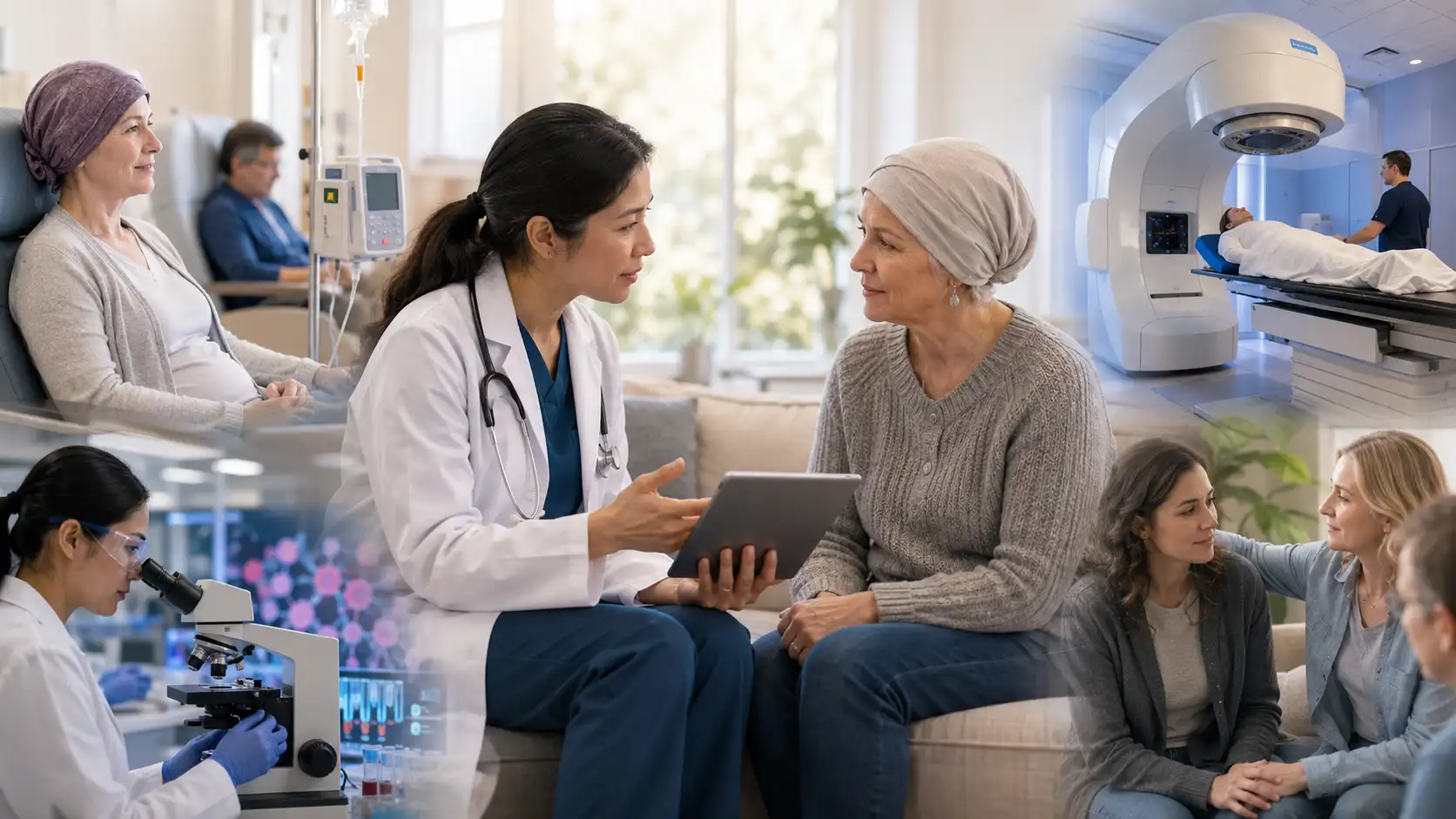
Cancer treatment is getting better because of ways of doing things like precision medicine, immunotherapy, radiopharmaceuticals and cell-based therapies. These new ways are changing oncology by offering treatments that’re just right for each person, which makes the treatment work better and have fewer bad side effects. As scientists keep learning more about medicine, doctors, researchers and oncology drug manufacturing companies are working together to make therapies that help people live longer and have a better life.
What is Oncology: Understanding Cancer Care
Before we talk about the things it is good to know what oncology means.
Oncology is the part of medicine that deals with stopping, finding, treating and taking care of cancer. It uses oncology, surgical oncology, radiation oncology, pathology, molecular biology and supportive care to give people with cancer the best treatment possible.
To put it simply if someone asks “What is oncology? “the answer is that oncology is the specialty that focuses on understanding cancer and making treatments that help people live longer and have a better life.
Today, oncology is not about chemotherapy. Precision medicine, immunotherapy, targeted therapy, radiopharmaceuticals, cellular therapies and advanced supportive care are now a part of taking care of people with cancer.
Why Head and Neck Cancer Needs New Ideas
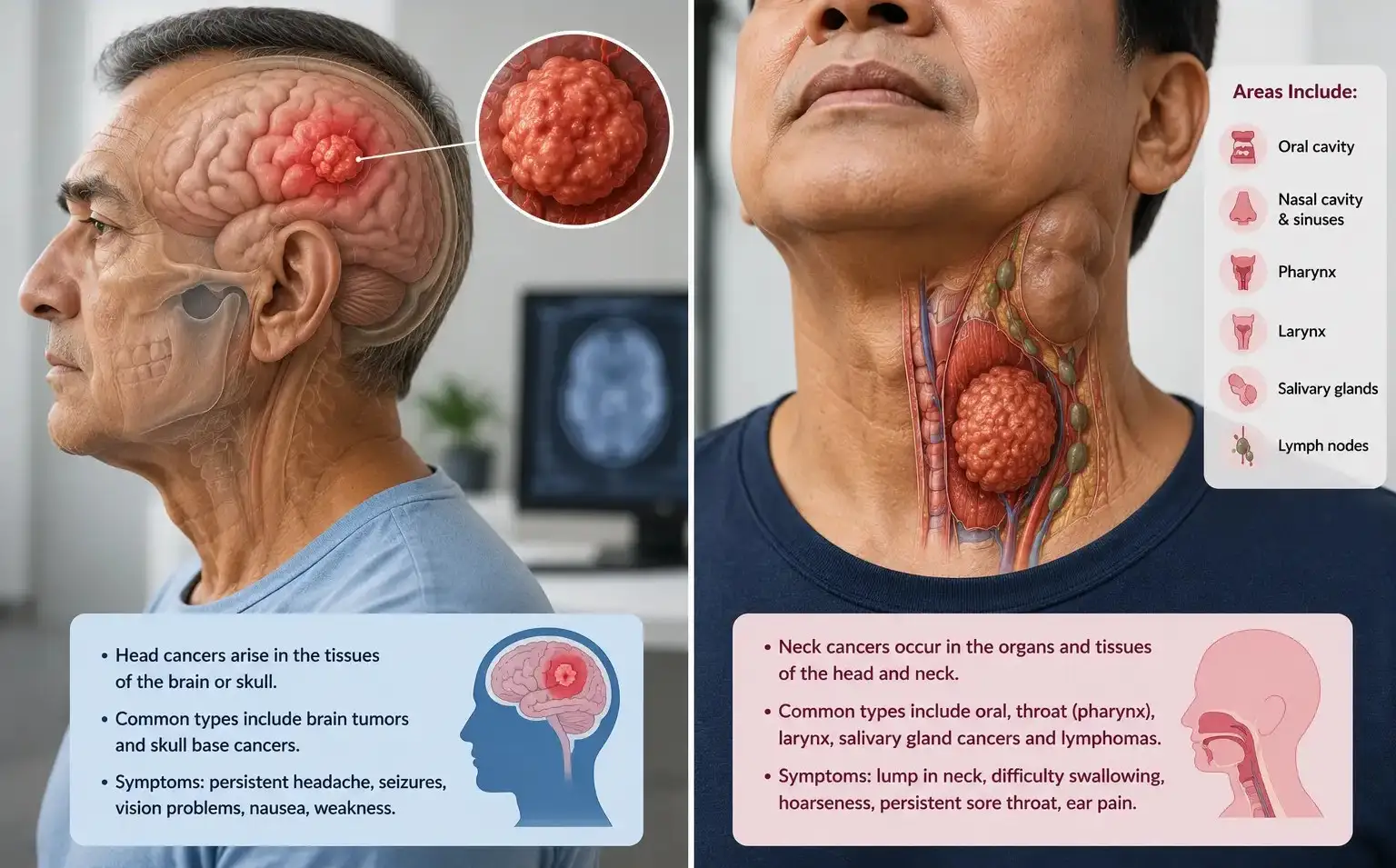
Head and neck cancers are hard to treat because they affect parts of our body that help us talk, swallow, breathe and eat. With new surgeries, chemotherapy and radiation therapy the cancer can still come back, and the treatment can still have bad side effects.
According to a review new way of treating cancer are moving away from traditional methods and towards treatments that target the cancer cells directly and leave the healthy cells alone.
Radiopharmaceutical Therapy: Targeting Cancer
One of the exciting new things in oncology is Radiopharmaceutical Therapy (RPT).
Unlike radiation therapy that comes from outside the body, radiopharmaceuticals use special molecules that are attached to radioactive isotopes. These molecules go to the cancer cells and give them radiation.
New targets for this therapy include:
- PSMA-directed therapy for gland cancers
- Somatostatin receptor-targeted therapy
- Fibroblast Activation Protein (FAP)-based therapies
Researchers think these therapies can make the treatment more precise and reduce the damage to the cells around the cancer, especially in rare head and neck cancers.
Immunotherapy is Changing Oncology
Maybe the change in modern oncology is immunotherapy.
Instead of attacking cancer directly, immunotherapy helps the body’s own immune system find and kill cancer cells.
Some of the things being researched include:
- PD-1 checkpoint inhibitors
- New LAG-3 inhibitors
- TIGIT-targeted therapies
- Bispecific antibodies
- Combination immunotherapy strategies
Clinical trials are showing that these therapies can make a difference, especially when they are used with chemotherapy or targeted therapies. Researchers say it is important to choose the right patients for these treatments using biomarkers.
Cell-Based Therapies: A New Frontier
Another promising new thing is therapies.
Scientists are making cells that can find and kill cancer cells with great precision. These include:
- CAR-T Cell Therapy
- TCR-Engineered T Cells
- Tumour- Lymphocyte (TIL) Therapy
Although these therapies are not available to everyone, yet they represent the future of oncology treatment that is just right for each person. Researchers are working to overcome the challenges of these therapies, such as the cancer being different from one person to another. The immune system is not working well
Global Challenges in Cancer Care
Breakthroughs are not enough to make things better unless people can get the treatments.
The review says that 80% of head and neck cancer cases are in low- and middle-income countries, where people do not have access to good screening, surgery, radiotherapy, immunotherapy and specialist doctors. This makes it hard for people to survive.
To make things better we need:
- To find cancer early
- Better screening programs
- Medicines that people can afford
- Better healthcare systems
- More biosimilars available
- More doctors who specialize in oncology
Making treatments available to everyone is crucial for giving people the same cancer care all around the world.
The Role of Oncology Drug Manufacturing
Making oncology drugs is very important for bringing new treatments from the laboratory to the people.
Pharmaceutical companies are investing in:
- Targeted therapies
- Immunotherapy products
- Radiopharmaceutical manufacturing
- Biosimilars
- Cell therapy platforms
- Precision oncology medicines
Besides making treatments, companies are working to make them affordable, ensure they are of good quality and make them available to people all around the world. The future of cancer treatment depends on innovation, but also on good manufacturing following rules and having a steady supply of medicines.
The Future of Oncology
The future of oncology is in precision medicine, biomarkers, artificial intelligence, immunotherapy, radiopharmaceuticals and advanced cellular therapies.
As research keeps going cancer treatment is becoming more personalized which means doctors can choose the treatment for each person based on the characteristics of their cancer.
This is a step forward in cancer care giving people new hope for living longer having fewer bad side effects and having a better life.
Understanding what oncology is is not about chemotherapy or surgery anymore. Today, oncology uses technologies, precision medicine, immunotherapy and advanced drug development to give people highly individualised cancer treatment.
From therapy to engineered immune cells and biomarker-guided treatment decisions, the field is changing fast. At the time, oncology drug manufacturing was crucial for turning scientific discoveries into treatments that people could get.
The next decade promises a future where treatments are more effective, more personalised, and more available to people all around the world, giving new hope to millions of people with cancer.
References
- Kirtane K, Dhar H, D’Cruz A, Yom SS. Emerging. Novel Modalities in Head and Neck Cancers. ASCO Educational Book. 2026;46:E516922.
- Bray F, Laversanne M Sung H, et al. Global Cancer Statistics 2022: GLOBOCAN Estimates of Incidence and Mortality Worldwide for 36 Cancers in 185 Countries. CA Cancer J Clin. 2024.
- Sun H, Yu M, An Z et al. *Global Burden of Head and Neck Cancer: Epidemiological Transitions, Inequities and Projections, to 2050. Front Oncol. 2025.