

Table of Contents
Whey Protein: A Science-Backed Nutritional Ally in Modern Oncology Care
Dry, rough, and cracked skin is more than just a cosmetic concern. Persistent skin dryness can affect comfort, increase sensitivity, and compromise the skin’s natural protective barrier. In clinical practice, these symptoms are commonly seen not only in dermatological conditions, but also in patients undergoing medical treatments such as chemotherapy and radiotherapy.
Because of this, modern skin care increasingly focuses on maintaining skin barrier health rather than simply providing temporary moisturization. Among the ingredients widely used for this purpose, urea continues to be one of the most well-established and clinically relevant components in topical skin care formulations.
What Is Urea and Why Is It Used in Skin Care?
Urea is a naturally occurring substance found in the outer layer of the skin as part of the Natural Moisturizing Factor (NMF). It plays an important role in helping the skin retain water and maintain softness and flexibility.
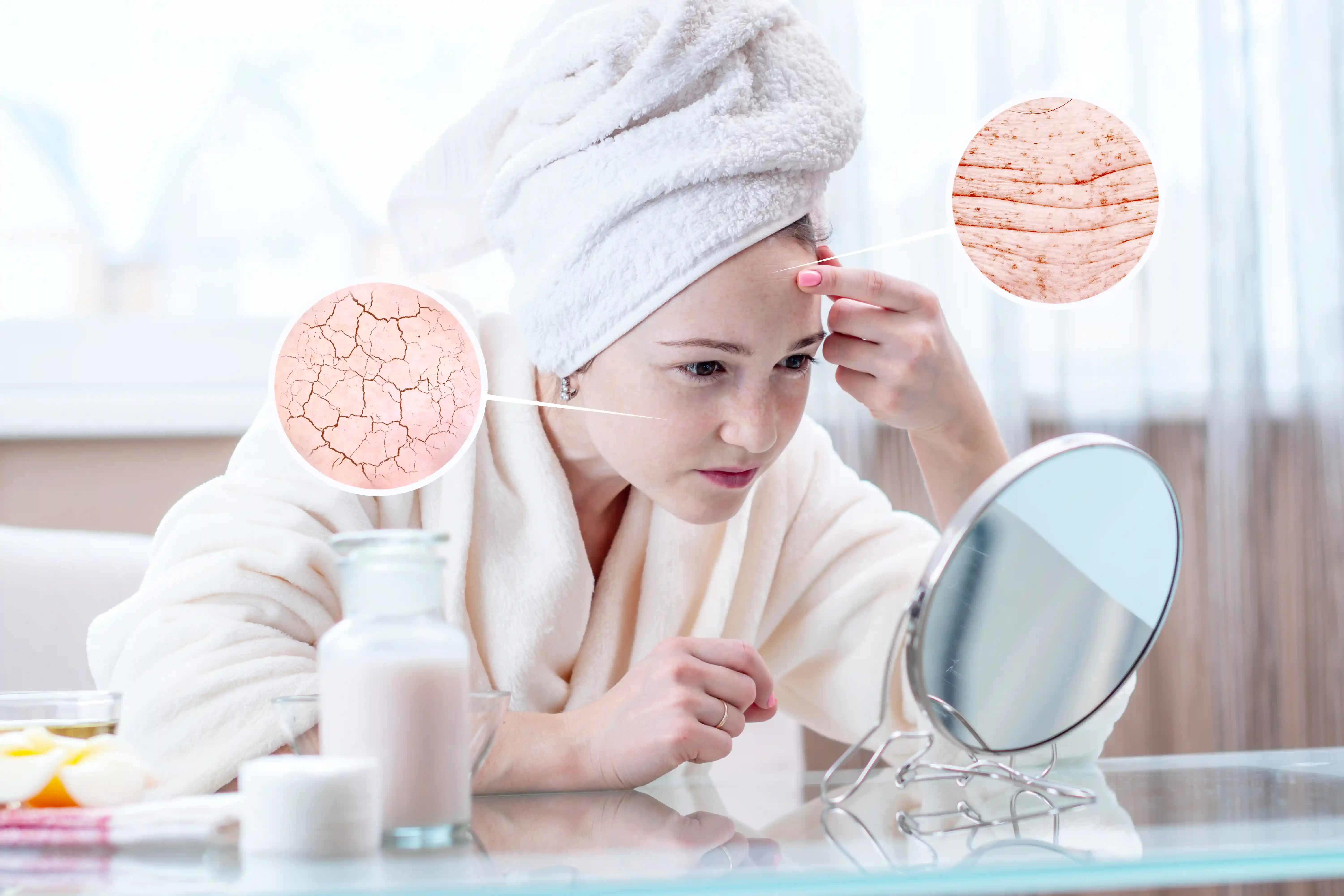
When skin becomes excessively dry or damaged, natural moisture-retaining components decline. This can result in:
- Rough skin texture
- Scaling and flaking
- Tightness and discomfort
- Cracking or fissuring
- Increased skin sensitivity
Topical urea creams help support moisture retention and improve skin smoothness while assisting in restoration of the skin’s protective layer.
How Urea Creams Work
One of the unique aspects of urea-based skin care products is that their function varies according to concentration.
Lower-Strength Urea Formulations
At lower concentrations, urea mainly acts as a humectant. It attracts water into the outer layer of the skin and helps maintain softness and suppleness.
These formulations are commonly used for:
- Daily moisturization
- Mild dry skin
- Sensitive skin care
- Maintenance skin support
Mid to Higher-Strength Urea Formulations
At higher concentrations, urea also exhibits keratolytic properties, meaning it helps soften thickened or rough skin by loosening hardened keratin.
This may help improve:
- Scaling and flaking
- Hyperkeratotic skin
- Thickened skin texture
- Cracked heels and fissures
- Palmar-plantar dryness
Mid-strength formulations, including 20% urea creams, are often considered when both moisturization and skin-softening effects are desired.
Clinical Uses of Urea-Based Topical Creams
Because of its dual moisturizing and keratolytic action, urea is widely used across several dermatological and supportive care settings.
Urea-containing creams are commonly used in conditions associated with:
- Severe dry skin (xerosis)
- Hyperkeratotic skin disorders
- Rough and scaling skin
- Heel fissures
- Palmar and plantar dryness
- Treatment-related skin dryness
Regular skin care and moisturization can play an important role in improving overall skin comfort and maintaining skin quality in these conditions.
Role of Urea Creams in Supportive Oncology Skin Care
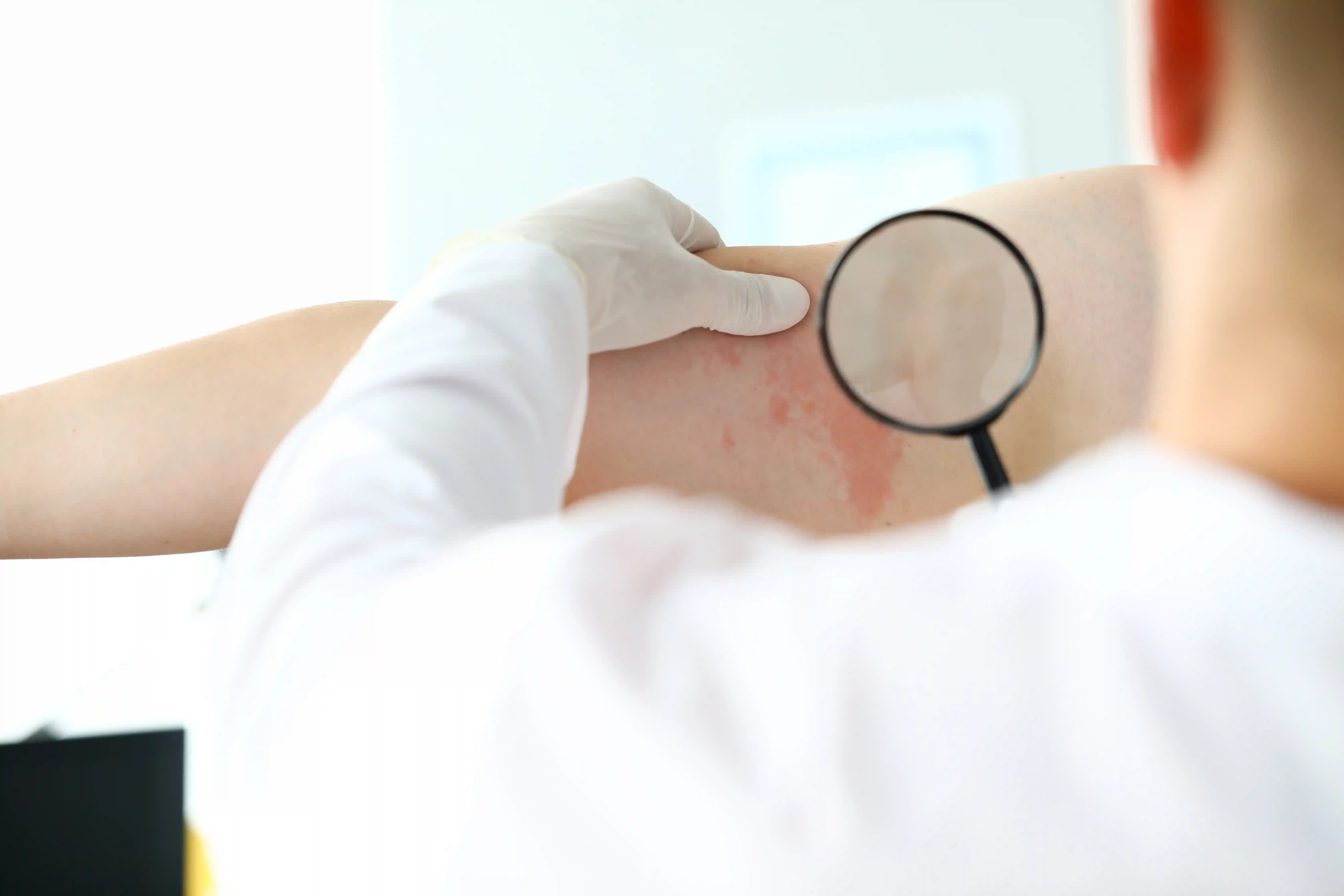
Skin-related side effects are increasingly recognized as an important aspect of supportive oncology care. Chemotherapy, targeted therapies, and radiotherapy can all affect skin integrity and contribute to symptoms such as:
- Dryness
- Redness
- Peeling
- Scaling
- Tenderness
- Skin cracking
These symptoms may interfere with routine activities and impact patient quality of life.
Supportive skin care therefore becomes an important component of patient management. Urea-based topical formulations are commonly incorporated into skin care routines aimed at improving skin comfort, reducing excessive dryness, and supporting compromised skin.
Additional Benefits of Urea in Dermatological Skin Care
Beyond moisturization, urea-based creams may also contribute to:
- Improved skin texture
- Better softness and flexibility
- Reduction in roughness
- Smoother appearance of dry skin
By softening thickened skin and improving water retention, urea may additionally support better penetration of other topical agents used as part of skin care regimens.
Practical Considerations While Using Urea Creams
Urea-based topical products are generally well tolerated when used appropriately. In some individuals with severely inflamed or fissured skin, mild transient sensitivity may occasionally occur during initial application.
Choosing an appropriate formulation and maintaining consistent skin care practices are important for optimal results.
Conclusion
Urea continues to remain an important ingredient in topical dermatological therapy because of its ability to support skin hydration while also helping improve rough, dry, and scaling skin.
Its broad role across routine dermatology and supportive skin care highlights the importance of maintaining healthy skin barrier function as part of overall patient care. As awareness around skin health continues to evolve, urea-based creams remain a valuable option in modern topical skin care management.
Medical Disclaimer
This article is intended for educational and informational purposes only and should not be considered medical advice. Patients should consult their treating physician or dermatologist before starting any topical therapy, particularly in the presence of active skin disease or treatment-related skin reactions.
References
Urea in Dermatology: A Review of its Emollient, Moisturizing, Keratolytic, Skin Barrier Enhancing and Antimicrobial Properties. Dermatology and Therapy.
https://link.springer.com/article/10.1007/s13555-021-00611-y