

Table of Contents
Whey Protein: A Science-Backed Nutritional Ally in Modern Oncology Care
Whey protein has emerged as a clinically relevant nutritional solution in supportive cancer care. Evidence highlights whey protein as a complete, rapidly digestible protein with high biological value, rich in essential amino acids and BCAAs, especially leucine, which supports muscle protein synthesis and metabolic recovery. These benefits are highly relevant when whey protein is integrated alongside oncology products developed by oncology pharma companies and cancer pharmaceutical companies.
Key Functional Properties of Whey Protein
| Property | Clinical Relevance in Oncology |
|---|---|
| High BCAA & leucine content | Preserves lean muscle mass |
| Rapid digestibility | Better tolerance during treatment |
| Glutathione enhancement | Supports immune defence |
| High PDCAAS score | Efficient protein utilization |
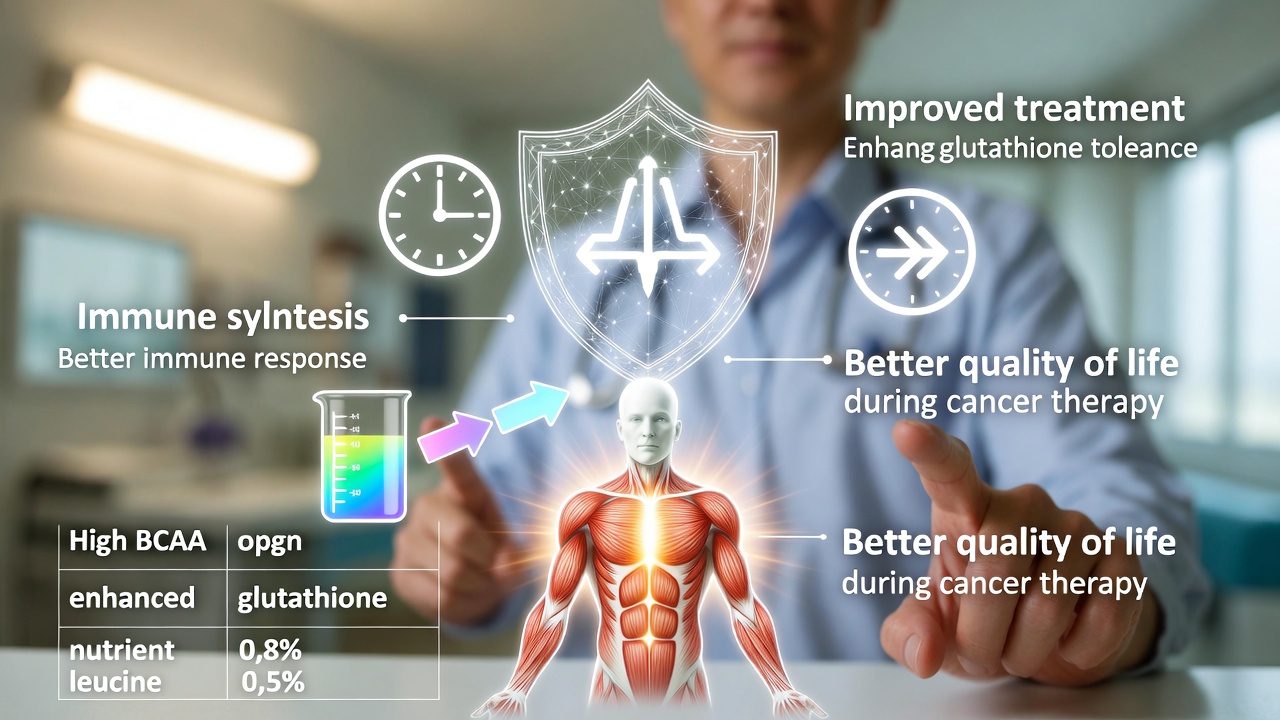
Whey protein’s can increase glutathione levels, a powerful intracellular antioxidant. This is particularly important for patients receiving chemotherapy or radiotherapy, where oxidative stress and immune suppression are common. Such nutritional benefits complement the therapeutic focus of oncology drug companies, reinforcing a holistic approach to patient care.
Expanding this perspective references underscores the importance of adequate protein intake throughout cancer treatment. It highlights that insufficient protein intake leads to sarcopenia, reduced treatment tolerance, increased complications, and diminished quality of life.
Impact of Adequate Protein Intake During Cancer Therapy
| Outcome | Clinical Benefit |
|---|---|
| Improved treatment tolerance | Fewer dose interruptions |
| Reduced muscle wasting | Better functional status |
| Enhanced recovery | Improved quality of life |
| Early nutritional intervention | Better long-term outcomes |
Some evidences aligns with the evolving strategy of cancer medicine companies, where nutrition is increasingly integrated with drug therapy to support resilience during prolonged treatment cycles.
Whey Protein in Integrated Oncology Care
| Oncology Approach | Contribution of Whey Protein |
|---|---|
| Drug therapy | Nutritional support |
| Symptom management | Muscle & strength preservation |
| Recovery phase | Faster functional regain |
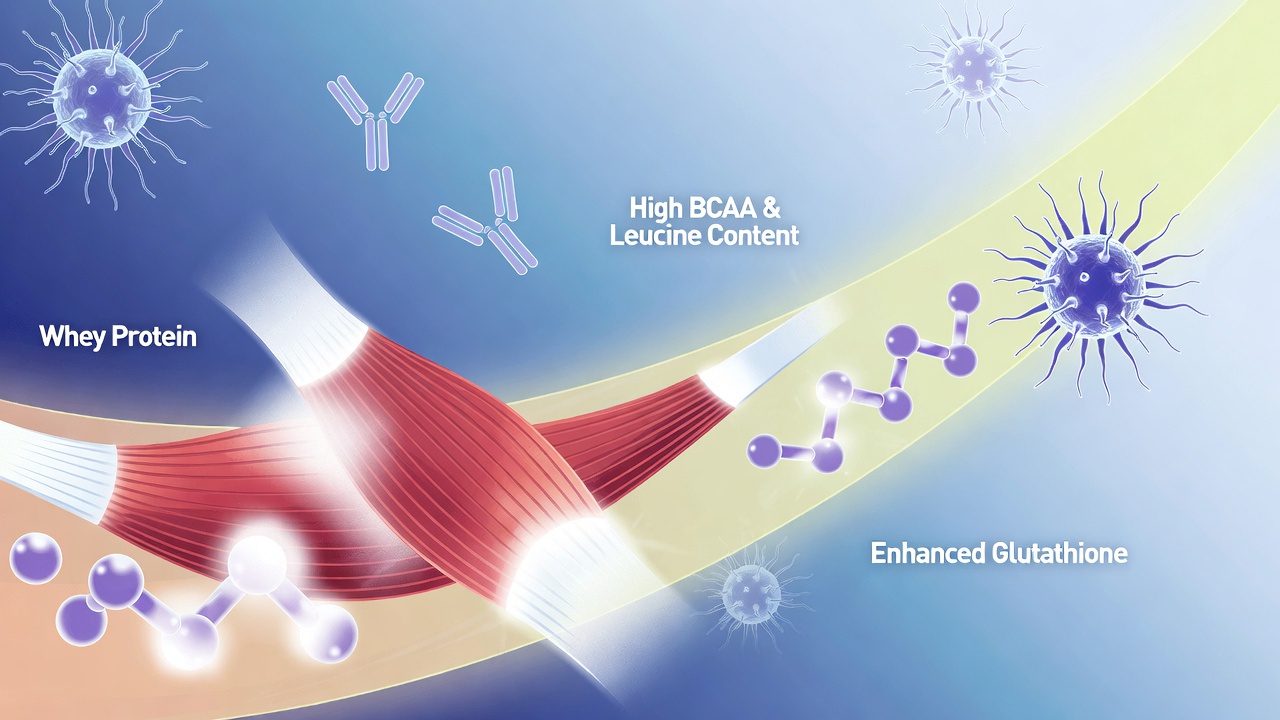
Whey protein as more than a supplement. For oncology pharma companies and cancer pharmaceutical companies, whey protein strengthens supportive care pathways. When combined with advanced oncology products, it enables a more comprehensive, patient-centric model of cancer management.
References
Gangurde, et al., Scholars’ Research Journal / Jul-Dec 2011 / Vol 1 / Issue 2
M.M. et al. Impact of whey protein supplementation as adjuvant therapy on malnourished cancer patients: systematic review and meta-analysis. Discov Food 4, 118 (2024). https://doi.org/10.1007/s44187-024-00171-y