

Table of Contents
Donyelle Jones Died at 46 After Battling Cancer: What Her Fight Teaches Us About Breast Cancer
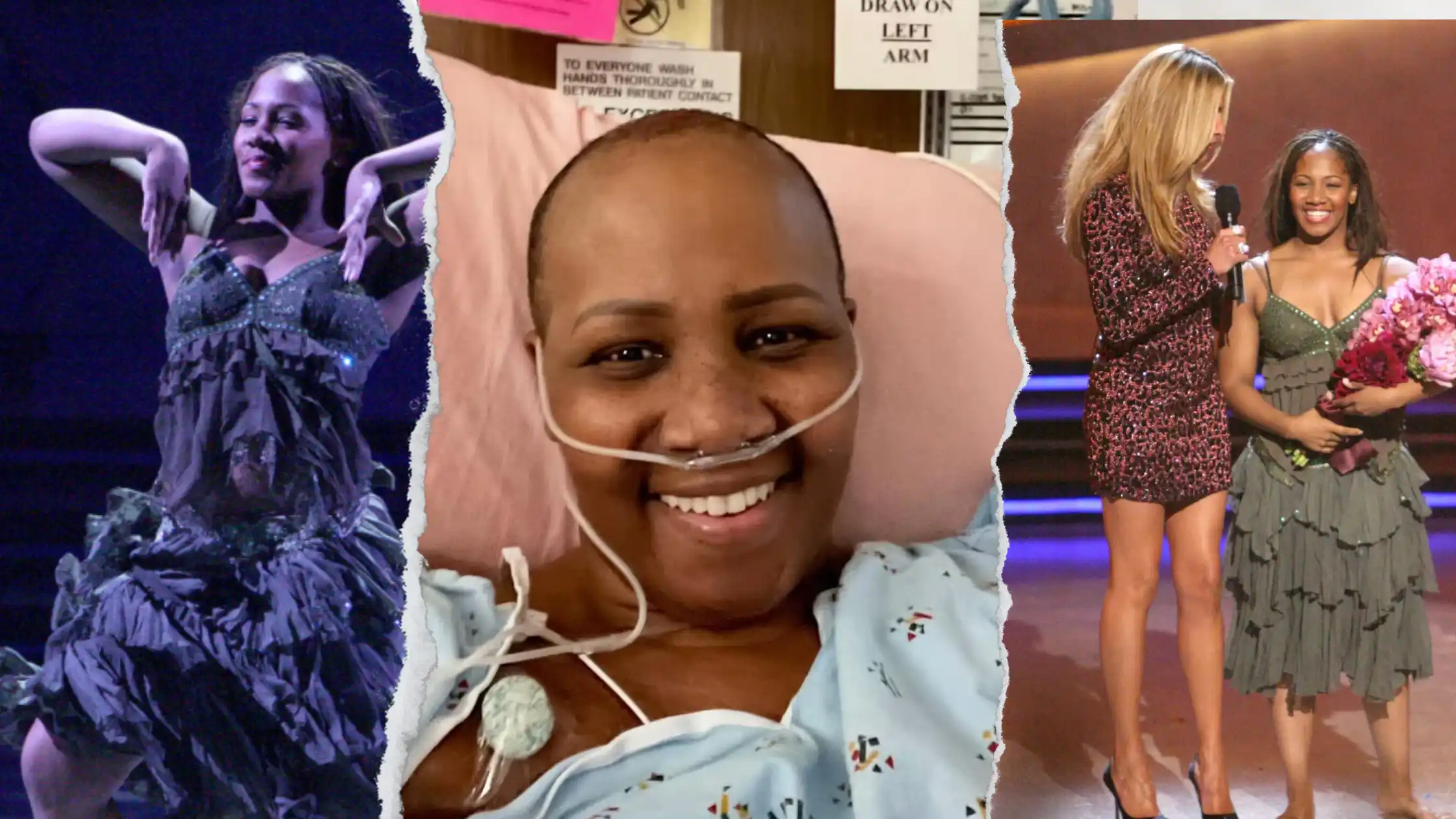
When the family of dancer Donyelle Jones shared, in the early morning of December 2, 2025, that she had “transitioned,” a large corner of the dance world went quiet. She was 46. And she had spent almost ten of those years living openly with a disease that eventually took her: breast cancer.
Most people knew her from So You Think You Can Dance, where she finished third in Season 2 back in 2006. What fewer people knew, until she chose to tell them herself, was that behind the choreography and the classes she taught was a woman managing a stage 3C diagnosis that had spread. Her openness is exactly why her story is worth pausing on. Not for the sadness of it, but for what it can quietly teach anyone reading this about a disease that touches millions of families.
This is a longer read than a typical news post, and that’s on purpose. If you came here because a headline about Donyelle Jones caught your eye, you’ll leave understanding what breast cancer actually is, how it becomes “metastatic,” the early signs that are worth acting on, and the real treatment options available today.
Who Was Donyelle Jones?
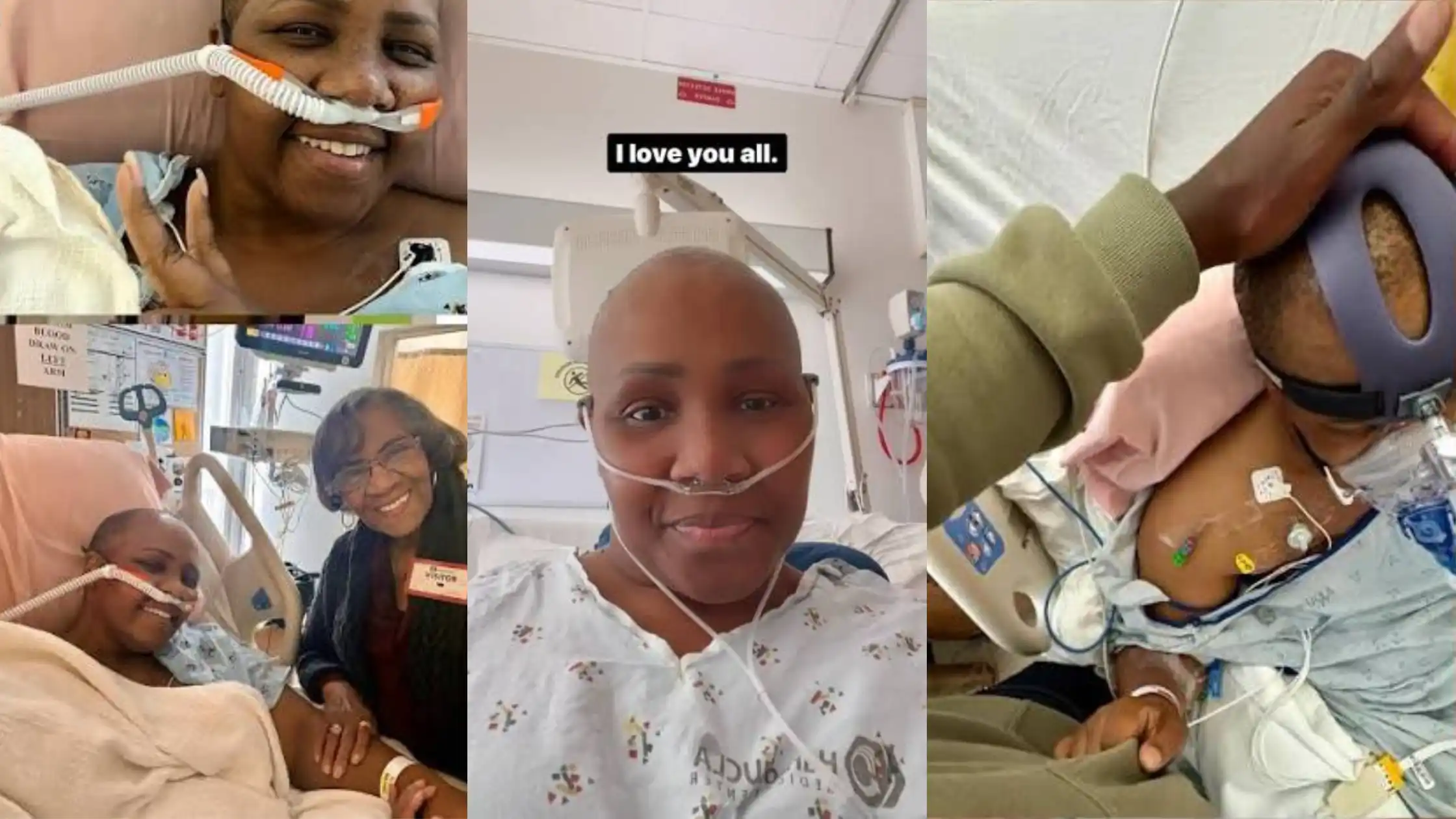
Donyelle Denise Wilson, known professionally as Donyelle Jones, was a hip-hop and jazz dancer, teacher, choreographer, and actress born in Los Angeles in 1979. Her national breakthrough came on So You Think You Can Dance in 2006, finishing behind winner Benji Schwimmer and runner-up Travis Wall. Beyond the show, she appeared on screen in films including Be Cool (2005) and Spirited (2022).
In 2016, she was diagnosed with stage 3C breast cancer. Over the years that followed she went through a double mastectomy and repeated rounds of chemotherapy, and she kept her followers updated the whole way through. By 2025 the cancer had progressed to stage 4, and she shared candidly that her liver had begun to fail. Even then, days before entering hospice, she taught a dance class for the first time in four years. Her family remembered her afterward as a wife, daughter, sister, friend, and, in their words, a warrior who never lost her smile.
That timeline, from 2016 to 2025, holds the whole shape of this disease inside it: an early-stage diagnosis, aggressive treatment, years of relatively good living, and then progression. Understanding each part of that arc is where the useful knowledge lives.
What Is Breast Cancer, Really?
Breast cancer begins when cells in the breast start growing out of control. Most often it starts in the ducts that carry milk (ductal carcinoma) or in the glands that produce it (lobular carcinoma). Left unchecked, those abnormal cells can form a tumor, invade nearby tissue, and eventually travel elsewhere in the body.
The single most important thing to understand is that “breast cancer” is not one disease. It’s a family of them, and the differences matter enormously for treatment. Doctors classify each case using a few key markers:
- Hormone receptor status (HR). Some breast cancers grow in response to estrogen or progesterone. These are called HR-positive, and they’re the most common type. Because their growth is fueled by hormones, they can often be treated with therapies that block those hormones.
- HER2 status. HER2 is a protein that can make cancer grow faster. HER2-positive cancers respond to a specific class of targeted drugs.
- Triple-negative breast cancer (TNBC). This subtype lacks all three markers (estrogen, progesterone, and HER2). It tends to be more aggressive and has historically had fewer targeted options, though that is changing.
Donyelle Jones’s cancer behaved like many hormone-driven cancers do: it responded to treatment for years, then eventually found a way around it. That pattern, control followed by progression, is one of the central challenges of the disease.
Understanding the Stages (and Why "3C" and "Stage 4" Are Different Worlds)
Breast cancer is staged from 0 to 4, based on tumor size, whether it has reached nearby lymph nodes, and whether it has spread to distant organs.
Stage 3C, the stage Jones was first diagnosed with, means the cancer had spread extensively to nearby lymph nodes but had not yet reached distant organs. It’s serious and locally advanced, but it is still treated with the goal of a cure.
Stage 4, also called metastatic breast cancer or advanced breast cancer, is different. This is when cancer cells have broken away from the original tumor and established themselves in distant parts of the body, most commonly the bones, liver, lungs, or brain. About 6% of breast cancers are already metastatic at the time of diagnosis, but far more, like Jones’s, become metastatic later when an earlier cancer returns and spreads.
Here is the honest part that patients deserve to hear plainly: metastatic breast cancer is currently considered treatable but not curable. The goal of treatment shifts from eliminating the cancer to controlling it, keeping it in check for as long as possible while protecting quality of life. And that goal is more achievable now than at any point in history. Thanks to newer therapies, the number of women living long, full lives with metastatic breast cancer keeps growing.
Signs and Symptoms Worth Paying Attention To
Early breast cancer often causes no symptoms at all, which is exactly why screening matters so much. But there are changes that should always prompt a conversation with a doctor:
- A new lump or thickening in the breast or underarm
- Change in the size, shape, or contour of a breast
- Skin dimpling, puckering, or redness
- Nipple changes, including inversion, discharge, or crusting
- Persistent breast pain that doesn’t come and go with your cycle
When breast cancer becomes metastatic, the symptoms depend entirely on where it has traveled. This is important, because they can be easy to dismiss as something else:
- Bones: new, deep, persistent bone pain that gradually becomes constant, sometimes with fractures.
- Liver: pain in the upper-right abdomen, poor appetite, weakness, and yellowing of the skin or eyes (jaundice). Liver metastases often cause no symptoms until they are advanced, which is part of what makes them so dangerous.
- Lungs: shortness of breath, chest discomfort, or a persistent cough.
- Brain: headaches, nausea, vision or balance changes, or new numbness.
None of these symptoms mean cancer on their own; most of the time they’re something far more ordinary. But a symptom that is new, persistent, and unexplained deserves to be checked, especially by anyone with a history of breast cancer. Learn more about recognizing early warning signs on our awareness hub.
What Causes Breast Cancer? Understanding Risk Factors
There’s no single cause, and it’s worth stating clearly: most people who develop breast cancer have no obvious reason for it. Getting the disease is not a moral failing or a punishment for lifestyle choices. That said, some factors do raise risk:
- Being female and getting older. These are the two biggest factors, though breast cancer in younger women is rising, and men can develop it too.
- Family history and inherited genes. Mutations in genes like BRCA1 and BRCA2 significantly raise risk. If breast or ovarian cancer runs in your family, genetic counseling can be genuinely worthwhile.
- Reproductive and hormonal history. Starting periods early, entering menopause late, having children later or not at all, and long-term hormone therapy can each nudge risk upward.
- Lifestyle factors. Alcohol, excess weight after menopause, and physical inactivity are associated with higher risk. These are the levers you can actually pull.
The takeaway isn’t fear. It’s that knowing your personal risk helps you and your doctor decide how closely, and how early, you should be screened.
Why Early Detection Changes Everything
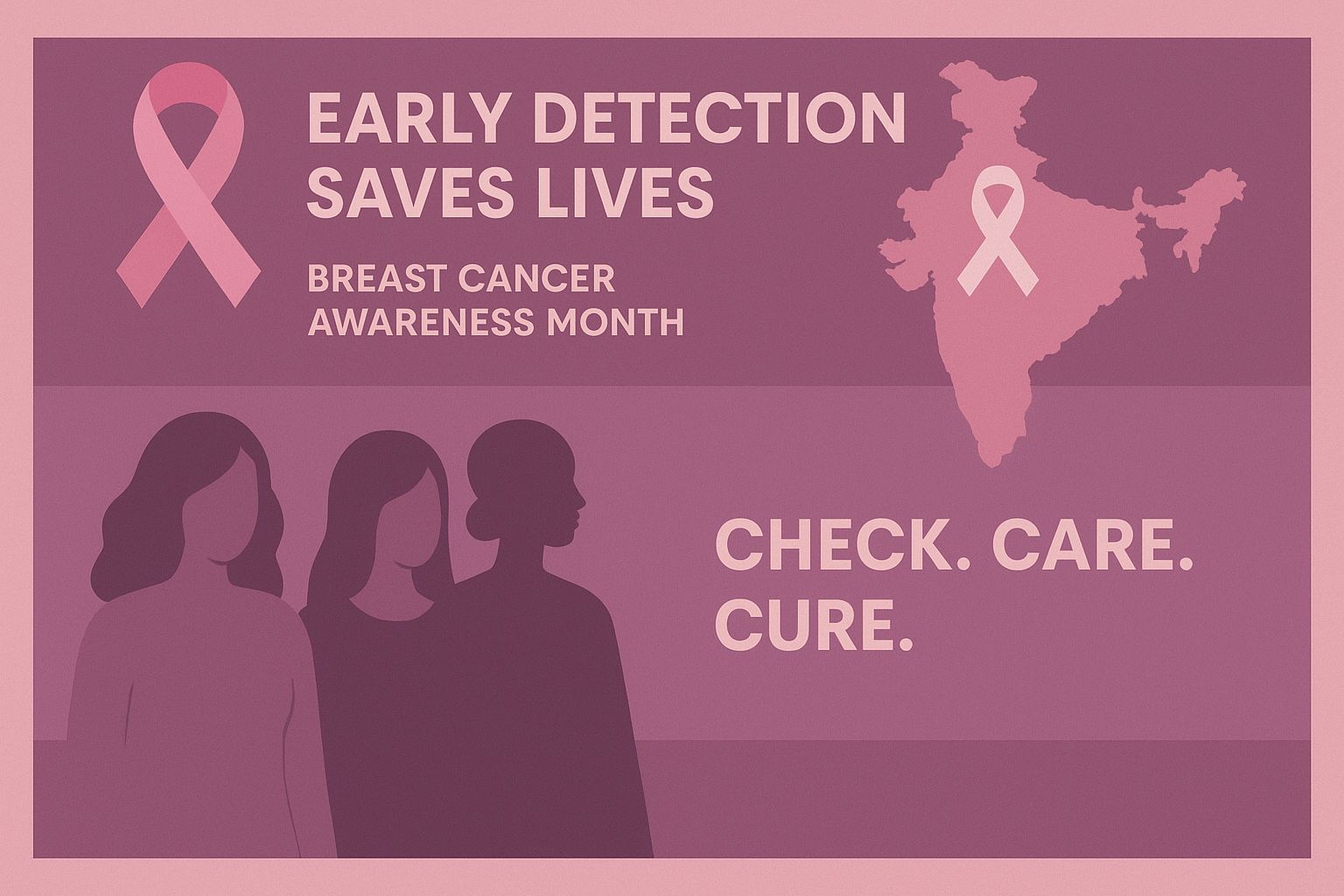
If there is one practical lesson to carry away from Donyelle Jones’s story, it’s this: the stage at which breast cancer is found dramatically shapes what’s possible.
Breast cancer caught at an early, localized stage has survival rates well above 90%. Once it has spread to distant organs, those numbers fall sharply. That gap is precisely why screening exists, and why awareness campaigns push so hard on it.
For most women at average risk, that means regular mammograms (guidelines vary by country and age, so ask your doctor what’s right for you), knowing how your own breasts normally look and feel so you notice change, and never sitting on a new symptom out of fear or busyness. For higher-risk individuals, screening may start earlier and include MRI.
Early detection isn’t a guarantee. Cancer is not fair, and plenty of people do everything “right” and still face advanced disease. But screening remains the single most powerful tool we have for catching this disease when it is most treatable. Explore our breast cancer awareness resources to learn what screening is right for you.
How Metastatic Breast Cancer Is Treated Today
This is where genuine hope lives, because treatment has advanced remarkably. Treatment for metastatic breast cancer is highly personalized, built around the cancer’s hormone-receptor status, HER2 status, any genetic mutations, and where it has spread. The main approaches include:
Hormone (endocrine) therapy. For HR-positive cancers, the most common type, blocking estrogen is often the first line of defense. Drugs like tamoxifen and aromatase inhibitors can hold cancer in check, sometimes for years.
Targeted therapy. This is one of the biggest advances of the last decade. For HR-positive, HER2-negative metastatic breast cancer, a class of drugs called CDK4/6 inhibitors is now a standard part of care, used alongside hormone therapy to slow the cancer’s growth significantly. HER2-positive cancers have their own set of targeted drugs, and antibody-drug conjugates have opened new options for triple-negative disease. As an oncology-focused company,
Wembrace Biopharma works to make targeted and supportive oncology treatments, including CDK4/6 inhibitor therapy, accessible through hospitals and healthcare institutions across India. These are prescription medicines used strictly under an oncologist’s supervision, and the right choice always depends on the individual patient. See our conventional and targeted oncology portfolio.
Chemotherapy. Still a mainstay, used to shrink tumors, slow spread, and relieve symptoms, particularly when hormone and targeted therapies are no longer enough.
Immunotherapy. A newer approach that helps the patient’s own immune system recognize and attack cancer cells, used in certain subtypes.
Local treatments. Radiation and, occasionally, surgery are used not to cure metastatic disease but to relieve specific problems, like pain from cancer in the bones.
No single plan fits everyone, and treatment often changes over time as the cancer responds and adapts. The goal throughout is the same one Donyelle Jones spoke about: extending time while protecting the quality of that time.
Living With Metastatic Breast Cancer: The Part That Gets Overlooked
Treating the cancer is only half the picture. The other half, the one that shaped so much of Jones’s public message, is living well alongside it.
Supportive care (sometimes called palliative care) is not the same as hospice, and it is not giving up. It’s a layer of care focused entirely on quality of life: managing pain, controlling the nausea and fatigue that come with treatment, protecting appetite, and tending to the emotional weight of it all. Started early, supportive care can help people feel better and sometimes even live longer. Wembrace’s work in supportive care and onco-cosmeceuticals exists for exactly this reason, to address the side effects and recovery needs that sit alongside cancer treatment. Learn more about supportive care options.
Emotional and community support matters just as much. Jones’s final message to her followers was, tellingly, about community: her belief that “nobody does anything alone.” Support groups, counseling with a psychologist who understands cancer, and simply leaning on family and friends aren’t soft extras. They’re part of the medicine.
The Bigger Lesson in Donyelle Jones's Story
It would be easy to read a headline like “Donyelle Jones died at 46 after battling cancer” and feel only the loss. And the loss is real. But she spent nearly a decade turning her diagnosis into something the rest of us could learn from, refusing to hide, dancing when she could, and reminding people to check on themselves and each other.
So take the reminder seriously. Know your body. Don’t skip your screening. If something feels off, get it looked at, this week, not next year. Talk to your family about your medical history. And if you or someone you love is walking through a cancer diagnosis right now, know that treatment has never been better, supportive care has never been more capable, and no one should have to do it alone.
That, more than any statistic, is the legacy worth carrying forward.
Frequently Asked Questions
What type of cancer did Donyelle Jones have?
Donyelle Jones was diagnosed with stage 3C breast cancer in 2016, which later progressed to stage 4 metastatic breast cancer that spread to her liver.
What is metastatic breast cancer?
Metastatic breast cancer, also called stage 4 or advanced breast cancer, is breast cancer that has spread beyond the breast and nearby lymph nodes to distant parts of the body such as the bones, liver, lungs, or brain. It is treatable but not currently curable, with treatment focused on controlling the disease and maintaining quality of life.
How long can you live with metastatic breast cancer?
It varies widely depending on the cancer’s subtype, how it responds to treatment, and individual factors. Thanks to newer therapies, a growing number of people live many years with metastatic breast cancer. Donyelle Jones lived with breast cancer for nearly a decade after her initial diagnosis.
What are the early signs of breast cancer?
Common early signs include a new lump in the breast or underarm, changes in breast size or shape, skin dimpling or redness, and nipple changes such as inversion or discharge. Early breast cancer often has no symptoms at all, which is why regular screening is so important.
Can metastatic breast cancer be treated?
Yes. While it is not currently curable, metastatic breast cancer is treatable with hormone therapy, targeted therapies including CDK4/6 inhibitors, chemotherapy, immunotherapy, and radiation. Treatment is personalized and aims to control the cancer for as long as possible.
Explore More
-
Donyelle Jones Died at 46 After Battling Cancer: What Her Fight Teaches Us About Breast Cancer
-
The Future of Oncology: New Treatments are Changing Head and Neck Cancer Care
-
The Rising Cancer Burden in India: Understanding Oncology and the Future of Cancer Care
-
Managing Radiation Skin Reactions: The Growing Role of Hyaluronic Acid
-
Hodgkin's Lymphoma: Understanding the Causes, Symptoms, Cancer Stages, and Advances in Oncology
-
Oral Mucositis in Cancer Patients: Why Prevention and Early Supportive Care Matter
-
Causes of Lung Cancer Disease: Understanding the Rising Burden, Risk Factors, and Early Warning Signs
-
The Science Behind Urea Creams: More Than Just a Moisturizer
-
The Growing Role of Capital Equipment in Modern Oncology Care
-
Whey Protein: A Science-Backed Nutritional Ally in Modern Oncology Care